Apostille and Attestation Services in Chandigarh | MEA, Embassy & HRD Experts
Global mobility today depends heavily on document legitimacy, yet many individuals discover this only when a visa, university, or employer rejects their papers due to improper authentication.
From students planning to study abroad—often guided by study abroad consultants in Chandigarh — to professionals accepting foreign job offers or families relocating overseas, document validation becomes a critical step that cannot be ignored.
Understanding how apostille and attestation services in Chandigarh work helps applicants avoid delays, rejections, and unnecessary stress. This guide clearly explains the process, highlights authority-wise requirements, and equips you to make informed decisions before submitting documents for international use.
Why Document Authentication Is Mandatory for International Use
Foreign governments and institutions cannot legally rely on documents issued in another country unless their authenticity is formally verified. Document authentication establishes trust between issuing and receiving authorities across jurisdictions.
Document authentication is mandatory because it:
- Confirms document authenticity: It verifies that the certificate is genuine, officially issued, and not altered or forged.
- Validates the issuing authority: Authentication confirms that the institution or government body that issued the document is a legally recognised entity.
- Ensures legal acceptance abroad: Without verification, foreign universities, employers, or immigration offices may refuse to process applications.
- Aligns documents with country-specific requirements: Apostille and attestation services in Chandigarh ensure Indian documents comply with international or destination-specific legal frameworks.
For individuals pursuing apostille services for overseas travel, authentication acts as a legal bridge between India’s documentation system and foreign authorities. Without proper verification, even valid certificates can become unusable, leading to delays, rejections, or repeated submissions.
Apostille vs Attestation: Understanding the Legal Difference
The choice between an apostille and an attestation depends entirely on the destination country. Many applicants confuse the two, leading to incorrect submissions and repeated processing.
Apostille for Hague Convention Countries
An apostille is a simplified form of authentication valid among countries that are part of the Hague Convention. It involves verification by India’s central authority and eliminates the need for embassy-level legalisation. This route is commonly required for an apostille for the UK, Canada, the USA, and several European nations.
Attestation for Non-Hague Countries
Attestation is a multi-level verification process involving state authorities, the Ministry of External Affairs, and the destination country’s embassy. Understanding the apostille vs attestation difference ensures you follow the correct path from the beginning and avoid procedural dead ends.
Types of Documents That Commonly Require Authentication
Different documents follow different authentication routes based on their nature and purpose. Certificate attestation for foreign countries usually falls into three broad categories.
- Educational documents such as degrees, diplomas, and transcripts for admissions and employment
- Personal documents, including birth certificates, marriage certificates, and affidavits
- Commercial documents, such as power of attorney, invoices, and incorporation papers, for business use
Educational document attestation often involves academic boards and state education departments, while commercial document authentication focuses on trade-related authorities.
Authority-Wise Authentication Process in Chandigarh
Document verification follows a defined hierarchy, and skipping any mandatory step can invalidate the entire process. Apostille and attestation services in Chandigarh typically involve the following authorities, each serving a distinct legal role.
1. MEA Attestation in Chandigarh
This step represents central government verification and is mandatory for both apostille and attestation routes. The Ministry of External Affairs confirms the authenticity of signatures and seals before documents are accepted internationally.
2. Embassy Attestation in Chandigarh
For non-Hague countries, embassy legalisation is compulsory. The embassy attestation procedure ensures the destination country officially recognises the document after Indian authorities complete their verification.
3. HRD Authentication in Chandigarh
Educational certificates must be verified by the Human Resource Development department or the relevant state education authority before central processing.
4. Home Department Authentication in Chandigarh
Personal documents such as birth or marriage certificates are authenticated by the state Home Department, validating civil records at the state level.
5. Chamber of Commerce Authentication in Chandigarh
Commercial documents intended for international trade require validation from the Chamber of Commerce, certifying the business origin and legitimacy of the paperwork.
6. GAD Attestation in Chandigarh
The General Administration Department plays a role in verifying certain state-issued documents, particularly those linked to government services.
7. SDM Attestation in Chandigarh
Sub-Divisional Magistrate verification is often the first local-level authentication for affidavits and personal declarations.
8. Notary Attestation in Chandigarh
Notarization serves as the initial legal confirmation, ensuring documents are properly executed before entering the formal authentication chain.
Common Scenarios Where Apostille or Attestation Is Required
Document authentication is rarely optional; it becomes mandatory at key transition points where Indian-issued documents must be legally accepted by foreign authorities.
- Studying abroad: Document attestation for abroad studies is essential for university admissions.
- Overseas employment: Authenticated credentials are required for job offers and work visas.
- Family migration: Personal document apostille services support dependent visas and residence permits.
- International business expansion: Authenticated commercial documents ensure legal compliance.
How the MEA Apostille Process in India Works
The MEA apostille process in India follows a standardised verification framework that combines state-level authentication with central government validation.
- Initial verification at the state or local level
- Submission to the Ministry of External Affairs
- Apostille stamping by MEA
- International acceptance without embassy legalisation
Choosing a Professional for MEA, Embassy & HRD Attestation in Chandigarh
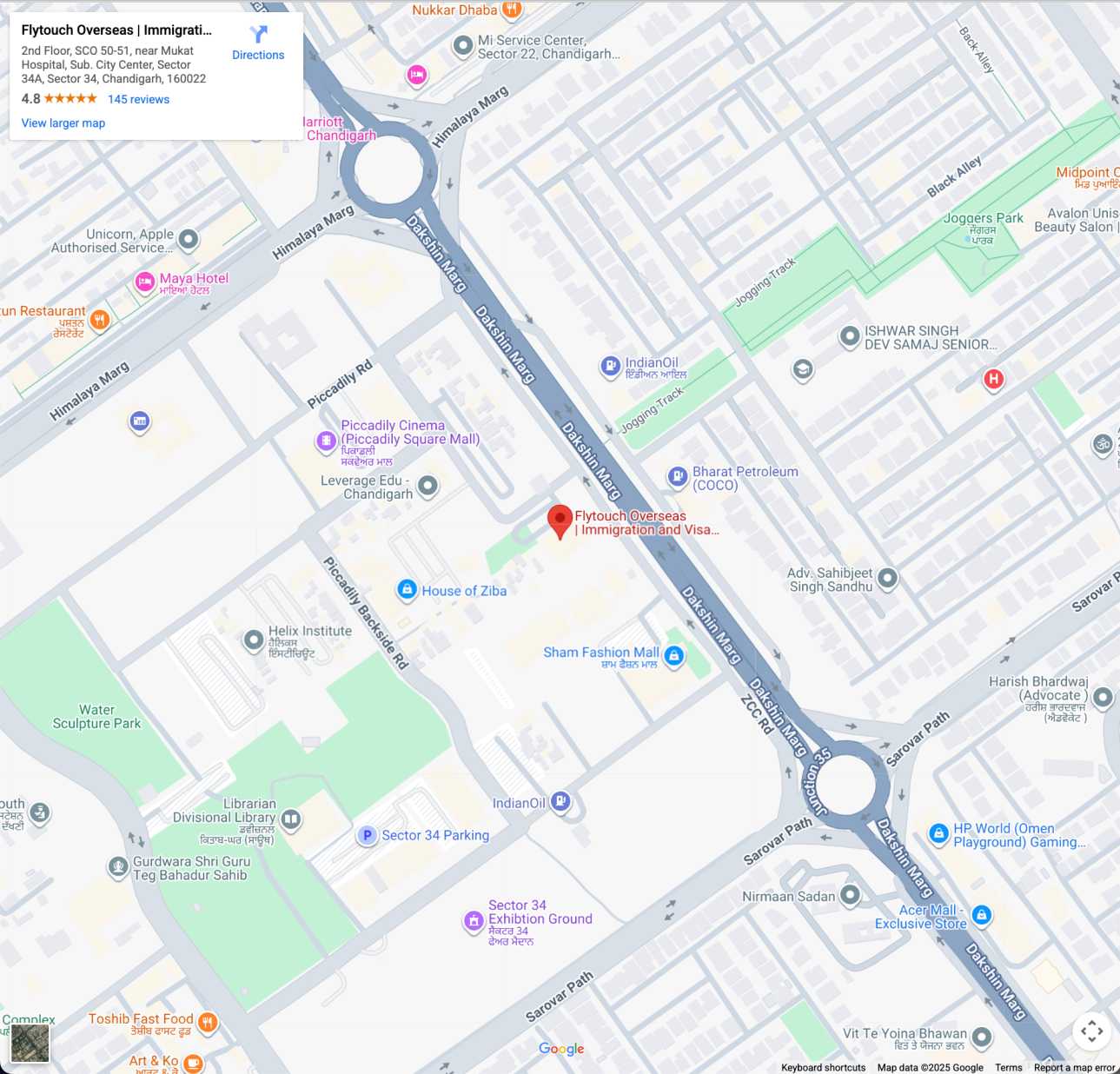
Navigating multiple authorities, document formats, and strict timelines can be overwhelming. Flytouch Overseas assists applicants by aligning document authentication with visa and immigration requirements.
Practical Tips to Avoid Delays and Rejections
- Verify destination country requirements before starting
- Ensure documents are legible and complete
- Avoid lamination unless permitted
- Track timelines carefully
Making an Informed Decision Before You Apply
Understanding apostille and attestation services in Chandigarh is not just about completing a formality; it is about protecting your international plans from preventable setbacks.
By evaluating your purpose, destination, and document type in advance, you can choose the correct authentication route with confidence.
About the Author

Deepak Kumar
Author | FlyTouch Overseas Private Limited
Deepak Kumar contributes to study visa and overseas education content at FlyTouch Overseas. He collaborates with experienced visa consultants and counsellors to develop informative guides covering university admissions, visa processes, and country-specific requirements.
With a focus on accuracy and clarity, his work helps students understand complex procedures and choose the right path for studying in countries like the UK, Canada, Australia, and the USA. His content is designed to provide practical insights and support students at every stage of their study abroad journey.