Bulgaria Visa Appointment Not Available? Slot Issues & Booking Help in India
For many applicants in India, the biggest obstacle in planning travel to Bulgaria is not eligibility, finances, or documentation, but the reality that a Bulgaria visa appointment not available when the process needs to move forward.
A confirmed appointment remains the single mandatory gateway through which every application must pass, yet countless applicants remain stalled at this stage for extended periods without clarity or explanation.
The problem is rarely explained transparently online, which leads to repeated attempts, wasted time, and rising anxiety. Without understanding how appointment availability actually works, applicants often blame themselves for failures that are largely systemic. This confusion becomes more damaging when timelines are fixed, and the Bulgaria visa appointment process cannot progress without a confirmed appointment.
Why Bulgaria Visa Appointments Are So Hard to Get in India
The challenge of securing a Bulgaria visa appointment in India is no longer an isolated inconvenience. It reflects deeper structural constraints in how appointment capacity is planned, released, and consumed in a high-demand environment.
Key systemic factors driving unavailability include:
- Demand growth without proportional capacity expansion: Travel for employment, study, and short-term stays has increased steadily, while appointment intake limits have remained fixed.
- Batch-based slot releases instead of rolling availability: Appointment slots are released in controlled waves rather than continuously, creating long periods during which Bulgaria appointment slots are not available at all.
- Absence of a queue or waitlist mechanism: When demand spikes, the system blocks access rather than managing applicants sequentially.
- Centralised inventory across regions: Applicants from multiple cities and jurisdictions compete for the same pool, intensifying scarcity during peak demand cycles.
Because these constraints are systemic, repeated manual attempts rarely change outcomes when a Bulgaria visa appointment not available condition is driven by capacity limits rather than applicant error. Applicants who do not adapt to the right approach and misinterpret structural limitations as personal failure face stress and prolonged stagnation.
How Bulgaria Visa Appointment Slots Actually Work
To understand why a Bulgaria visa appointment slots not available, it is essential to understand how appointment allocation actually operates.
1. Capacity-Based Slot Release
Appointment availability is governed by daily processing limits rather than applicant urgency or demand volume. Only a finite number of Bulgaria appointment slots are released during each allocation cycle, regardless of how many applicants are waiting.
2. Simultaneous Access Pressure
When slots open, hundreds of applicants attempt to access at the same time. Even technically correct booking attempts may fail due to server load, delayed responses, or session expiry. These failures are frequently interpreted as Bulgaria VFS appointment issues, when in reality they reflect system saturation rather than malfunction.
3. Geographic Demand Overlap
Applicants from multiple regions compete for the same appointment inventory. This overlap sharply reduces the probability of success for any single applicant attempting to secure a Bulgaria visa appointment during high-demand windows.
Why Many Applicants Fail Even When Slots Appear Available
One of the most frustrating scenarios for applicants is seeing apparent availability but still encountering failure. Many conclude that the Bulgaria visa appointment failed due to a random technical error, without realising that several layered factors may be involved.
1. System-level interruptions
During peak access windows, technical interruptions are common. These include sudden logouts, stalled confirmation screens, or incomplete transactions that invalidate the booking attempt.
2. Data and category inconsistencies
Minor discrepancies in personal details or incorrect visa category selection can silently invalidate the booking flow. Applicants often repeat identical attempts without identifying the root cause.
3. Timing mismatch with documentation readiness
Attempting to book before documentation is fully aligned can result in confirmations that cannot be used, forcing rescheduling and restarting the waiting cycle.
These conditions explain why applicants continue to fail even when appointment visibility briefly appears.
Why the Bulgaria Visa Appointment Process Feels Difficult
Indian applicants often experience greater friction because the Bulgaria visa appointment system does not behave like more familiar visa portals. Expectations shaped by prior travel experiences clash with a more restrictive intake model.
Common friction points include:
- Assumptions of continuous availability based on other visa portals
- High competition during narrow release windows, causing repeated booking failures
- Limited transparency on release timing, forcing guesswork rather than planning
- Misinterpretation of system errors, including treating a VFS Bulgaria booking problem as a user fault
This mismatch leads applicants to repeat the same actions without changing approach, which is typically the point at which seeking Bulgaria visa appointment help becomes relevant.
When and How Bulgaria Visa Appointment Slots Usually Open
Although there is no official schedule for appointment releases, availability patterns are not entirely random. Applicants who observe system behaviour over time often notice recurring trends that are easy to miss without focused attention.
- Release Timing Windows: Slots tend to open during standard working hours rather than late at night or early morning, contrary to common assumptions.
- Clustered Slot Releases: Availability often appears in short bursts instead of being spread evenly, meaning delayed action can result in immediate loss.
- Seasonal Demand Amplification: Academic cycles, employment onboarding periods, and holiday travel windows sharply reduce success rates.
- System Load Sensitivity: High traffic at release moments increases the likelihood of failed confirmations, even when slots appear visible.
These patterns matter most during periods when a Bulgaria visa appointment not available situation persists, because outcomes are shaped more by timing behaviour than by the number of booking attempts made.
Applicants who adapt to these patterns improve their chances of identifying a Bulgaria visa appointment slot opening without resorting to constant, unproductive failures.
How to Avoid Bulgarian Visa Appointment Failure
Applicants who eventually succeed typically change strategy rather than effort.
Key adjustments include:
- Finalising documentation before attempting booking
- Verifying the accuracy of all personal and category data
- Avoiding peak seasonal demand where possible
- Understanding sequence dependencies within the appointment framework
These adjustments do not eliminate competition, but they significantly reduce avoidable failure loops.
When Repeated Attempts Stop Being Rational
Persistence is valuable, but only when it is informed. There comes a stage where repeated booking attempts consume time without improving probability, signalling the need for reassessment rather than escalation.
Warning signs that attempts have become unproductive include:
- Multiple failed bookings without identifying a new variable
- Repeating attempts across identical time windows
- Uncertainty about whether failures are technical or procedural
- Progressively tightening travel timelines
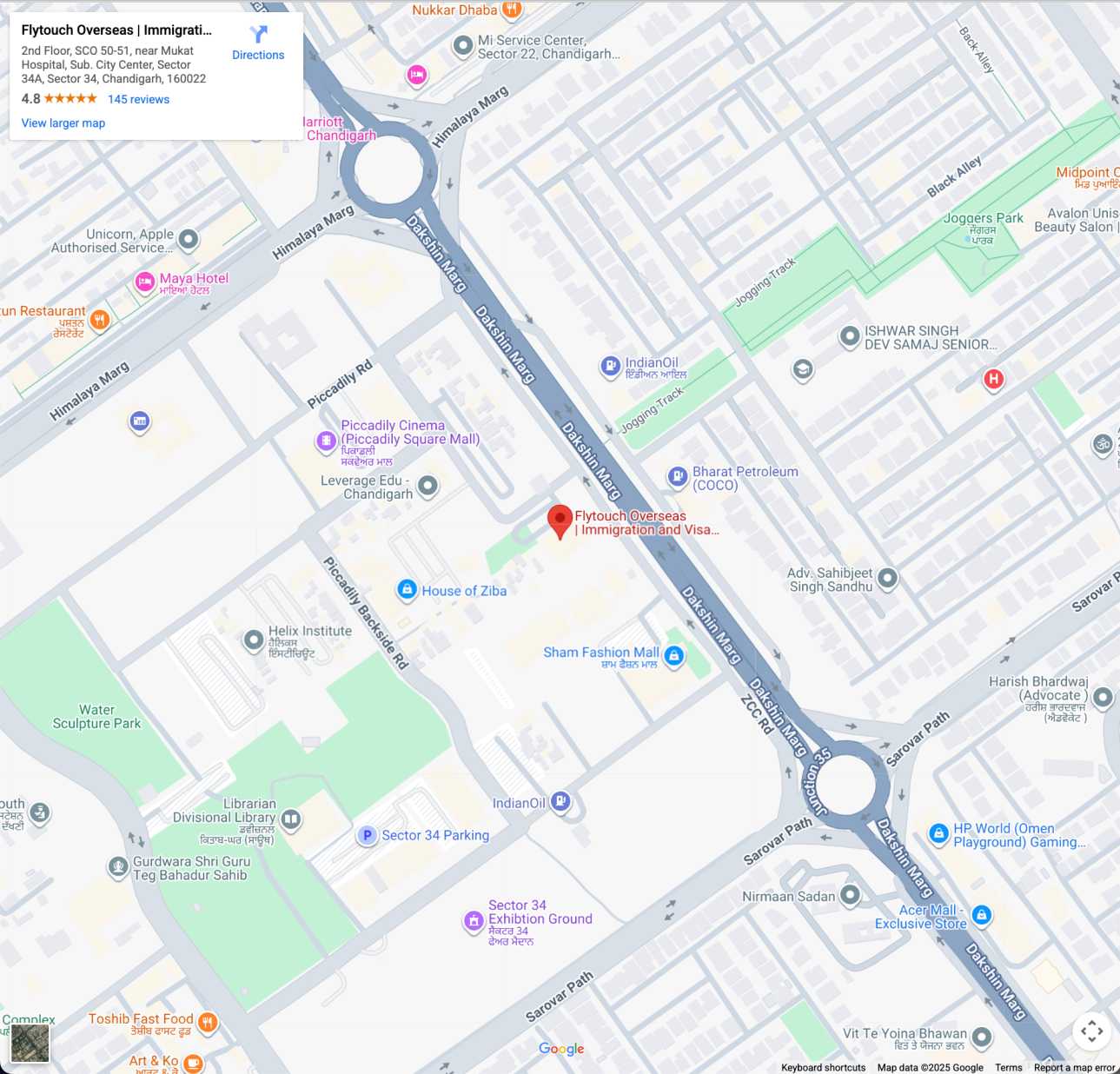
At this point, continuing without insight often increases risk rather than reducing it. Strategic reassessment becomes more effective than sheer repetition. Flytouch Overseas, a visa and immigration consultancy based in Chandigarh and Ambala, assists applicants seeking a Bulgaria visa appointment by providing clarity on timing behaviour, eligibility alignment, and process sequencing, enabling decisions to be informed rather than reactive.
Understanding Authority Roles Prevents Misplaced Expectations
A common source of confusion lies in misunderstanding who controls which part of the process. Many applicants assume appointment shortages reflect embassy decisions.
In reality, the Bulgaria embassy appointment in India framework separates decision authority from intake logistics. Embassies assess applications and issue decisions, while appointment systems manage document intake capacity. When a Bulgaria visa appointment not available, it reflects administrative throughput limits, not applicant eligibility.
Recognising this separation prevents misplaced assumptions and redirects focus toward controllable variables.
Questions to Ask Yourself Before Trying Again
Before making another booking attempt, applicants benefit from stepping back and evaluating their position with honesty rather than urgency.
Key questions worth considering include:
- Do I clearly understand how and when appointment releases actually occur?
- Is my documentation aligned with the exact submission stage I am attempting to reach?
- Do I understand what to do if bulgaria visa appointment fails, or am I repeating assumptions?
- Have I changed anything meaningful since my last attempt?
- Do I truly understand how to schedule a Bulgaria visa appointment without repeating the same assumptions?
The answers often determine whether the next attempt produces progress or repetition.
When the Next Step Is Changing Strategy
Appointment delays are rarely resolved by persistence alone. In most cases, they reflect a mismatch between expectations and system behaviour. Applicants who pause to reassess timing, readiness, and approach often prevent weeks of repeated failure.
Progress depends far more on strategy than repetition. Recognising this shift is often the point at which structured guidance from a Bulgaria visa consultant in India becomes relevant—not as a shortcut, but as a corrective lens.
About the Author

Deepak Kumar
Author | FlyTouch Overseas Private Limited
Deepak Kumar contributes to study visa and overseas education content at FlyTouch Overseas. He collaborates with experienced visa consultants and counsellors to develop informative guides covering university admissions, visa processes, and country-specific requirements.
With a focus on accuracy and clarity, his work helps students understand complex procedures and choose the right path for studying in countries like the UK, Canada, Australia, and the USA. His content is designed to provide practical insights and support students at every stage of their study abroad journey.