Europe Visa from India: Complete Application Guide 2026
Planning a European trip is no longer just about choosing destinations—it is about navigating a visa system that evaluates your intent, financial behaviour, and credibility as a traveller. Many Indian applicants assume the process is document-heavy but straightforward, only to face delays or rejections due to subtle inconsistencies.
The reality is that getting a Europe visa from India requires more than completing a checklist; it demands a well-structured application that aligns logically across every detail. This is also why many applicants choose to consult a Europe visa consultant in India to understand how their profile will actually be assessed before they apply.
What follows is not a checklist, but a breakdown of how your application is evaluated—and what actually makes the difference.
Why This Visa Is Not Just a Formality but a Profile Evaluation
Most applicants misunderstand the nature of a Europe visa from India. It is not an approval based on document submission—it is a risk-based assessment system.
Visa officers are trained to evaluate:
- Probability of return to India
- Financial behaviour, not just bank balance
- Authenticity of travel purpose
- Consistency across submitted data
This is why two applicants with similar salaries can have different outcomes. One presents a structured, believable profile; the other submits disconnected documents.
The keyword here is credibility—not completeness.
What “Europe Visa” Actually Means in Practical Terms
When applying for a Europe visa from India, you are typically applying for a Schengen visa from India, a Schengen short-stay visa (Type C). It allows you to travel across multiple countries under one permit.
But here’s what most guides don’t explain:
- Your visa is issued by one country, but is valid across many
- That country becomes your primary evaluator
- Your itinerary must justify why you chose that embassy
This is where many applicants fail. They choose a country randomly or based on myths like “faster visa,” which weakens their case during the European embassy visa process.
Understanding the Real Intent Behind Visa Approval
This section is where most blogs stay generic—but this is where your approval is actually decided.
1. The Core Question: Will You Return?
Every application is evaluated on one central concern: “Does this applicant have enough reason to come back to India?” This defines your Europe visa eligibility in real terms.
2. Financial Strength vs Financial Behaviour
Having ₹5–10 lakhs in your account is not enough.
Visa officers check:
- Sudden deposits before application
- Irregular account activity
- Spending patterns
A stable ₹1.5–2 lakh balance with consistent income often performs better than inflated balances.
3. Travel Intent vs Travel Fantasy
If your itinerary looks unrealistic—too many cities in too few days—it signals poor planning.
A strong application shows:
- Logical route
- Reasonable stay duration
- Clear purpose for each destination
This transforms your Europe travel visa application into a believable plan.
Choosing the Right Visa Category Based on a Real Use Case
Applicants often treat visa type selection casually, but it directly impacts approval.
- Tourism → Sightseeing, leisure travel
- Business → Meetings, trade visits
- Family Visit → Sponsored stays
If your purpose is travel, the European tourist visa for Indians is appropriate—but your documents must reflect tourism behaviour, not vague intent.
Documents That Actually Influence Decisions (Not Just Required List)
Instead of repeating lists, let’s decode how embassies interpret your documents.
The Europe visa requirements India applicants follow are not just procedural—they are analytical.
1. Financial Documents (Your Credibility Score)
- Bank statements show stability over time
- ITR validates declared income vs actual savings
- Salary slips confirm income consistency
Mismatch between these raises immediate concerns.
2. Travel Documents (Your Intent Blueprint)
- Flight bookings reflect entry and exit clarity
- Hotel bookings define movement within Europe
- Insurance shows preparedness
These visa documents India applicants submit must form a coherent story, not separate pieces.
3. Professional Proof (Your Return Guarantee)
- Job letter with leave approval
- Business registration and GST filings
- Client contracts (for freelancers)
Without strong ties, your application lacks grounding.
The Europe Visa Application Process India Applicants Must Follow (With Real Insight)
The Europe visa application process in India is not complex in steps, but highly sensitive in execution. The difference between approval and rejection often lies in how strategically each step is handled, not whether it is completed.
Step 1: Embassy Selection Is a Strategic Decision, Not a Formality
Most applicants make their first mistake here. They choose a country based on:
- “Higher approval rates” (myth)
- “Faster processing” (inconsistent)
In reality, embassies evaluate whether your application logically belongs to them.
Example: If you apply through France but spend more nights in Italy, your application weakens immediately.
Correct approach:
- Apply to the country of maximum stay
- If equal duration → apply to first entry country
This is your first alignment check in the European embassy visa process.
Step 2: Appointment Timing Affects More Than Just Availability
Booking an appointment is not just about getting a slot—it defines your application timeline credibility.
Mistake applicants make:
- Booking flights before confirming an appointment
- Applying too close to the travel date
This creates pressure and signals poor planning.
Strategic approach:
- Book appointment → then align travel dates
- Keep a buffer of 4–6 weeks minimum
Visa officers indirectly evaluate how well-planned your travel timeline is.
Step 3: Document Structuring Is Where Most Applications Fail
Most applicants collect documents—but do not structure them as a narrative.
Embassies don’t read documents individually—they read your profile as a story.
Weak structure:
- Random document order
- No connection between financials and itinerary
Strong structure:
- Identity & application
- Travel plan (itinerary + bookings)
- Financial proof (supporting travel)
- Professional proof (return guarantee)
This sequencing makes your Europe visa application in India easier to evaluate and more convincing.
Step 4: Biometrics Submission Is a Silent Evaluation Stage
While biometrics is technical, your overall presentation still matters:
- Clean documentation
- Organized file
- Confident communication when asked questions
Even though interaction is limited, sloppy submissions create negative impressions.
Step 5: Waiting Phase Is Passive for You, Active for Embassy
Once submitted, your file goes through:
- Document verification
- Financial pattern checks
- Travel intent validation
This is why unnecessary follow-ups or panic emails do not help and sometimes harm perception.
Insight: A successful Europe visa from India application is not about completing steps—it is about ensuring each step strengthens your overall profile.
Cost Planning: What Applicants Often Miscalculate
Most applicants think visa cost = visa fee. This is a major misunderstanding.
The Europe visa fees India applicants pay are only a small visible part of what embassies actually evaluate.
1. Visible Costs vs Evaluated Costs
Visible Costs:
- Visa fee (~€80)
- VFS charges
- Insurance
- Documentation
These are transactional.
2. Evaluated Costs (More Important):
- Total trip budget vs income
- Daily spending capacity
- Financial consistency before application
3. The Real Question Embassy Asks
Not: “Can you afford the visa?”
But: “Does this travel financially make sense for this applicant?”
4. Example of Financial Mismatch (Common Rejection Trigger)
- Salary: ₹35,000/month
- Bank balance: ₹3.5 lakh (recent deposit)
- Travel plan: 12 days across Switzerland, Paris, Amsterdam
This creates doubt:
- Is this trip genuine?
- Is the funding source real?
5. What Strong Financial Planning Looks Like
- Stable balance over 2–3 months
- Travel budget aligned with income
- Clear expense estimation
Ideal structure:
- Flights: ₹60K–₹90K
- Stay: ₹5K–₹10K per night
- Daily expense: ₹4K–₹6K
Your finances should support this logically.
6. Hidden Cost Factor: Refundable Bookings
Many applicants ignore this:
- Hotels (refundable)
- Flights (hold or dummy with caution)
A poor booking strategy can either:
- Increase financial burden
- Or damage credibility
Insight: For a Europe visa from India, financial planning is not about showing money—it is about showing financial behaviour that matches your travel reality.
Processing Time: The Hidden Variables Behind Delays
The Europe visa processing time is officially around 15 working days—but in practice, it varies significantly based on factors most applicants don’t understand.
Why “15 Days” Is Not a Reliable Expectation
This timeline assumes:
- Perfect documentation
- No additional verification
- Normal embassy workload
In reality, applications often move into secondary checks.
Key Factors That Increase Processing Time
The Europe visa processing time is influenced by multiple hidden variables that go beyond standard timelines, often depending on how complex, consistent, and verifiable your application profile appears.
1. Profile Complexity
- Business owners → longer verification
- Freelancers → income validation
- First-time travellers → deeper scrutiny
2. Financial Irregularities
- Sudden deposits
- Large unexplained transactions
This triggers manual review.
3. Travel Season Pressure
- April–July (summer peak)
- December holidays
High volume = slower decisions.
4. Multi-Country Itineraries
Complex plans require:
- Route validation
- Stay justification
More complexity = more verification time.
Silent Delay Trigger: Incomplete Clarity
Even if documents are submitted, a lack of clarity causes:
- Internal queries
- Additional checks
This delays decisions without notifying applicants.
Realistic Timeline Strategy
Instead of relying on average time, plan like this:
- Apply: 30–45 days before travel
- Buffer: +10 days for delays
- Avoid: Applications within 2 weeks of travel
What You Should NOT Do During Processing
- Do not reapply immediately
- Do not send repeated emails
- Do not change travel plans drastically
This can complicate your case further.
Insight: The Europe visa from India timeline is not fixed—it is profile-dependent. Strong, clear, and consistent applications are processed faster because they require less verification.
Why Applications Get Rejected (And What Actually Makes the Difference)
Most applications are not rejected because documents are missing—they are rejected because the application does not make complete sense as a whole.
Approved applications typically show:
- Financials that clearly support the travel plan
- A realistic and well-structured itinerary
- Strong and verifiable proof of return to India
Rejected applications often contain the same documents—but without a clear connection between them. Common issues include:
- Dummy bookings with no logical travel flow
- Sudden large deposits before applying
- Generic or copied travel plans
- Cover letters that do not clearly explain intent
In many cases, applicants meet the basic requirements but struggle to present their application in a structured and consistent way.
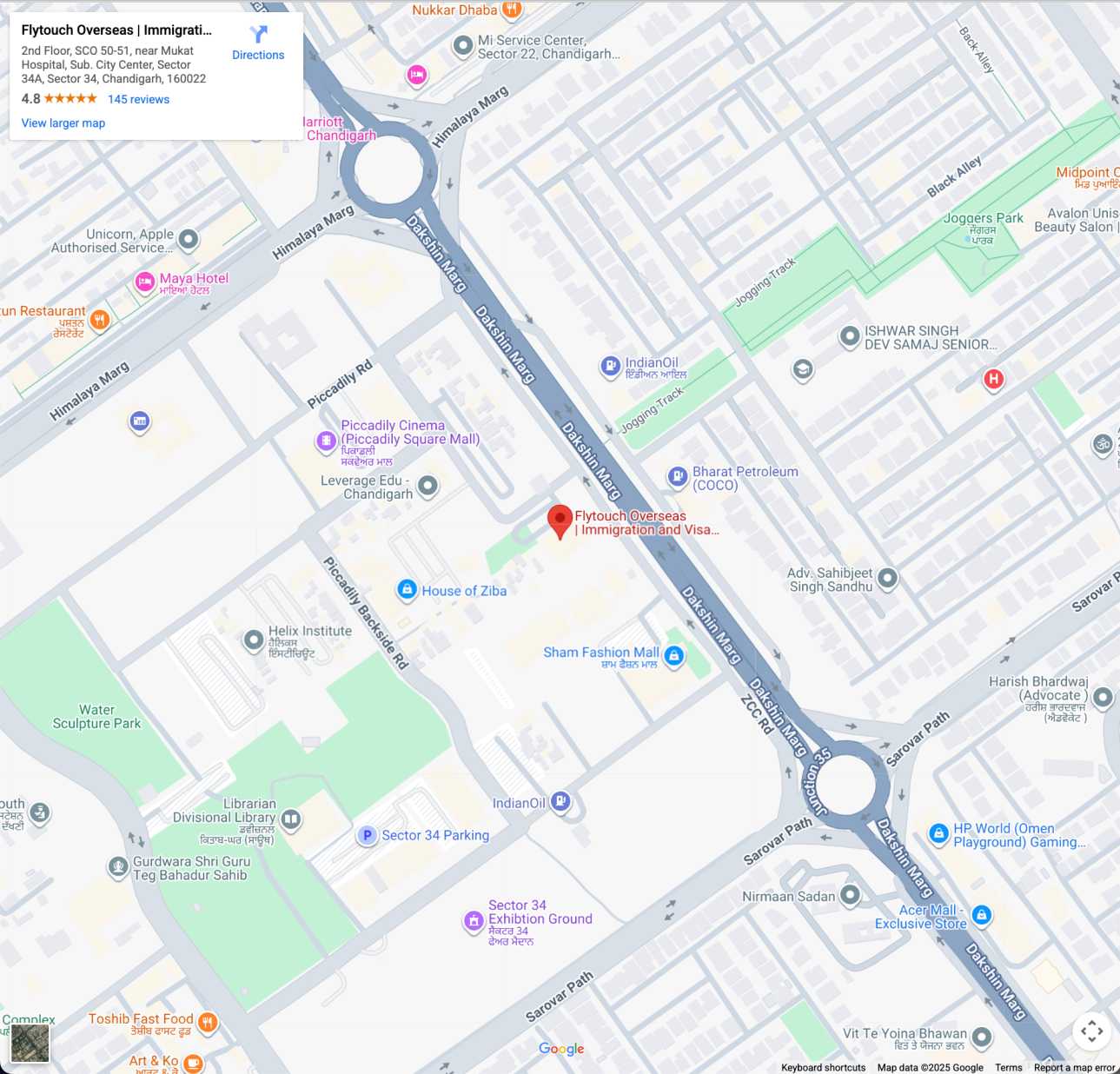
Therefore, having the right guidance can make a significant difference. As a Europe visa consultant in Chandigarh and Ambala, Flytouch Overseas often works with applicants at this stage, where the documents are in place, but the structure, clarity, or consistency needs improvement.
We assist applicants across India in aligning their financials, travel plans, and documentation into a clear and consistent profile that the embassy can assess without confusion.
Real Applicant Scenarios and What Changes the Outcome
Let’s make this practical.
Case 1: Europe Visa for Salaried Applicant (₹40K/month)
- Weak: ₹3 lakh sudden balance + luxury itinerary
- Strong: ₹1.5 lakh stable + realistic 7-day plan
Case 2: Europe Visa for Business Owner
- Weak: No ITR, only bank balance
- Strong: GST + ITR + business continuity proof
Case 3: Europe Visa for First-Time Traveller
- Weak: No travel history + vague plan
- Strong: Structured itinerary + strong job proof
This is how applications are judged—not by documents alone, but by context.
Make Your Application Make Sense Before You Submit It
A Europe visa from India is not approved based on documents alone—it is approved when your entire profile makes sense as a whole.
Your financials, travel plan, and professional background must align clearly. Even small gaps or inconsistencies can create doubt, while a well-structured application makes the decision easier for the visa officer.
Before applying, pause and assess your profile objectively:
- Does my travel plan match my financial reality?
- Is my documentation consistent and believable?
- Would this application make sense to someone reviewing it for the first time?
The outcome is often shaped before submission by how clearly your story comes together.
About the Author

Deepak Kumar
Author | FlyTouch Overseas Private Limited
Deepak Kumar contributes to study visa and overseas education content at FlyTouch Overseas. He collaborates with experienced visa consultants and counsellors to develop informative guides covering university admissions, visa processes, and country-specific requirements.
With a focus on accuracy and clarity, his work helps students understand complex procedures and choose the right path for studying in countries like the UK, Canada, Australia, and the USA. His content is designed to provide practical insights and support students at every stage of their study abroad journey.