Schengen Visa from India – Complete Guide for Visa Approval in 2026
For many Indian travellers, Europe is not just a destination—it’s a once-in-a-lifetime experience. But before the Eiffel Tower, the Swiss Alps, or Italian streets come into the picture, there is one major hurdle: getting the Schengen visa from India approved. The process often feels confusing due to varying embassy requirements, layered documentation, and unclear guidelines, leaving many applicants unsure about where to begin.
This uncertainty is also why many people start exploring reliable Schengen visa consultants in India for clarity and direction. As a result, travellers either delay their plans or move forward with an incomplete understanding, leading to avoidable mistakes and, in many cases, rejection. Understanding what visa officers actually evaluate—and how your profile is perceived—ultimately becomes the key difference between approval and rejection.
What actually goes wrong for Indian applicants (and why this visa feels complicated)
Unlike domestic travel or even some other visas, the Schengen system evaluates your intent, credibility, and financial stability together—not separately.
Most Indian applicants fail not because they are ineligible, but because:
- Their documents don’t tell a consistent story
- Their travel plan looks unrealistic
- Their financial profile is not clearly justified
For example, someone earning INR 30,000/month showing an INR 3 lakh sudden bank balance raises suspicion. Similarly, a 10-day trip across 6 countries looks more like a rushed plan than a genuine visit.
This is why applying for a Schengen visa from India is less about submitting papers and more about presenting a logically structured travel profile.
Understanding eligibility beyond basic rules (what embassies actually check)
Most websites list eligibility as a checklist, but embassies go deeper.
1. Financial credibility vs just bank balance
It’s not about how much money you show—it’s about how consistently you earn and maintain it. Sudden deposits without explanation are red flags.
2. Travel intent clarity
If you are applying for a Schengen tourist visa, your itinerary should reflect genuine tourism—not random country hopping.
3. Strong ties to India
This is one of the most critical factors:
- Stable job or business
- Family responsibilities
- Property or long-term commitments
If these are weak, your return intent becomes questionable.
4. Profile consistency
Your job, income, bank statement, and travel plan must all align. This is where most applicants fail while applying for a Schengen visa from India.
How to apply smartly instead of just following steps blindly
Understanding how to apply for a Schengen visa in India is not just about steps—it’s about making the right decisions at each stage.
1. Choosing the correct country (most misunderstood step)
You must apply through:
- The country where you stay the longest, OR
- Your first entry point (if stays are equal)
Wrong selection leads to unnecessary scrutiny under the embassy visa Schengen rules.
2. Appointment timing strategy
- Avoid last-minute bookings
- Apply 30–45 days before travel
- Peak seasons (May–July, Dec) need earlier slots
3. Document structuring (not just collection)
Your visa documentation for Indians should be arranged in a logical order:
- Identity → Financials → Travel → Support docs
This creates a clear narrative for the visa officer.
Documents that actually influence approval (not just mandatory ones)
A strong visa checklist Schengen approach is about quality, not quantity.
Instead of listing everything again, here’s what actually matters:
- Cover Letter (Most Important): Explain your travel purpose, duration, and return intent clearly.
- Bank Statement (Last 6 months): Should show consistency, not just balance.
- ITR (2–3 years): Builds financial credibility.
- Travel Itinerary (Realistic): Avoid overpacking your itinerary with too many countries.
- Employment Proof / Business Proof: Should match your financial profile.
Think of your documents as answers to “Why should we trust this applicant will return?” That’s the real evaluation behind every Schengen visa application from India.
Visa officers rarely reject applications due to missing documents alone—they reject them when the documents fail to tell a convincing story.
Cost planning and timelines (what most people underestimate)
Let’s talk about real numbers and expectations.
1. The Schengen visa fees in India are only one part of your total cost:
- Visa fee: ~€80
- VFS charges
- Travel insurance
- Flight & hotel bookings
Total preparation cost can go significantly higher depending on your planning and several visa aspects.
2. Timeline reality
The Schengen visa processing time in India is usually:
- 10–15 working days (standard)
- Can extend during peak seasons
3. But delays often happen due to:
- Incomplete documents
- Embassy workload
- Additional verification
Many applicants rush this stage, which often leads to incomplete preparation rather than faster approval. So always buffer your timeline when applying for a Schengen visa from India.
Mistakes that silently lead to rejection (real patterns observed)
Instead of generic tips, here are actual rejection triggers:
- Dummy hotel or flight bookings
- Salary mismatch with bank credits
- Unrealistic itinerary
- No explanation for large transactions
- Weak cover letter
Practical example:
A business owner shows an INR 10 lakh balance, but no GST returns or business proof → Visa officer questions the source of funds.
Following simple visa approval tips, like consistency and clarity, can drastically improve outcomes.
Also, aligning your plan with Schengen entry rules ensures your itinerary looks genuine and acceptable.
Strategic country selection: a hidden factor in approval rates
Not all countries process applications the same way.
When applying for a Schengen travel visa, consider:
- France → faster processing
- Spain → relatively flexible
- Germany → stricter documentation
But strategy doesn’t mean manipulation.
Your itinerary must justify your application country logically; otherwise, your application may face unnecessary questioning.
Real applicant scenario: where most people struggle (and how it’s solved)
Let’s take a realistic case:
A salaried employee earning INR 50,000/month applies with:
- INR 2.5 lakh bank balance
- No leave approval
- Random itinerary
Result → High rejection probability
After correction:
- Proper leave letter
- Logical itinerary (2 countries max)
- Structured cover letter
Approval chances increase significantly.
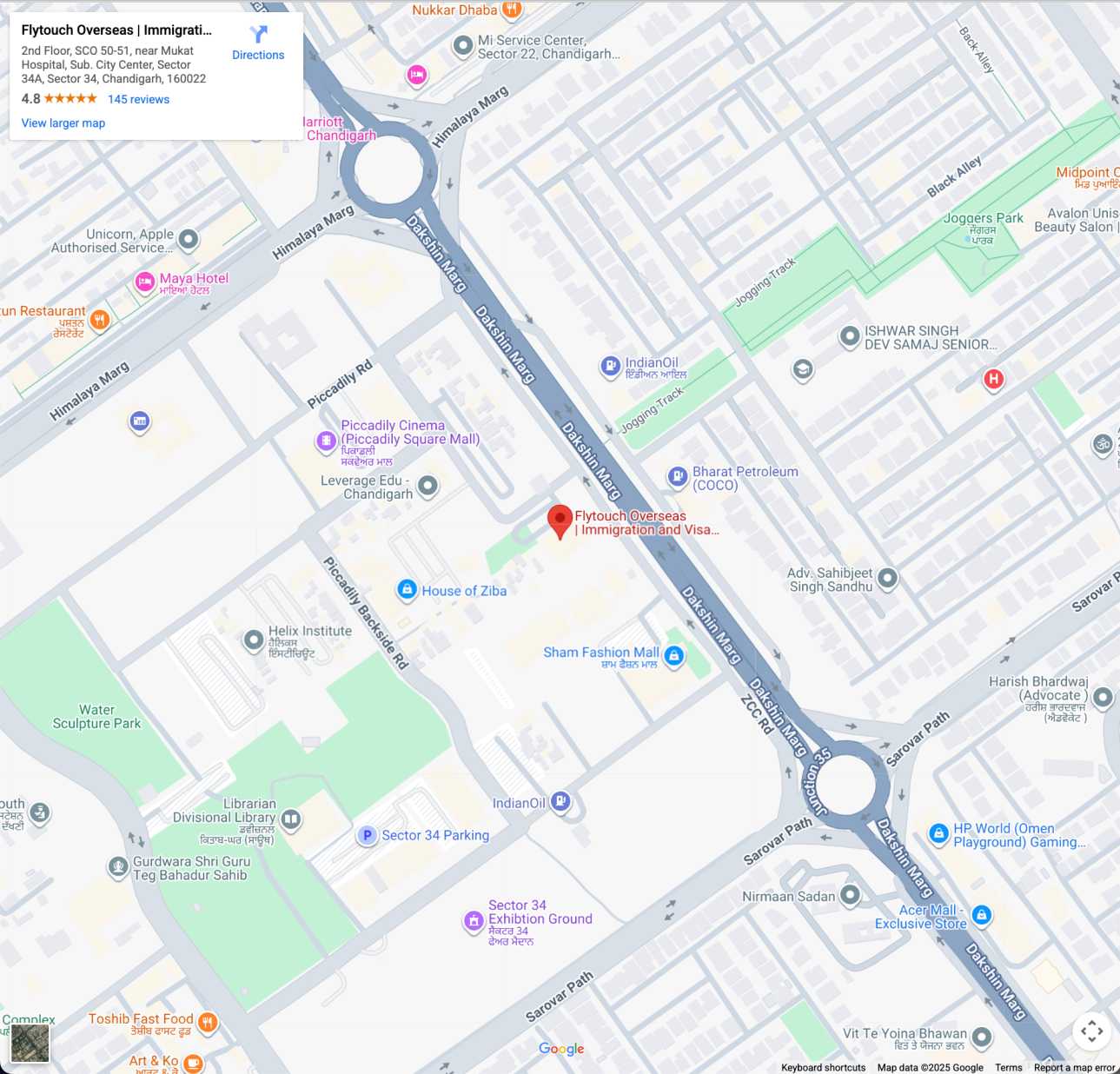
This is where structured guidance matters. At Flytouch Overseas, we work as Schengen visa consultants in Chandigarh and Ambala, serving applicants across India by helping applicants align documents, avoid inconsistencies, and prepare applications based on actual embassy expectations—not assumptions.
Where you can travel and how to plan your route smartly
A Schengen visa gives access to multiple countries, but planning matters.
The Schengen countries list includes major destinations like:
France, Italy, Germany, Spain, Switzerland, the Netherlands, Austria, Belgium, Sweden, and more.
But instead of trying to cover everything:
- Focus on 2–3 countries
- Keep travel realistic
- Maintain logical route flow
This improves both your travel experience and your chances for Schengen visa approval from India.
Before you apply, ask yourself these 3 critical questions
Applying for a Schengen visa from India becomes much easier when you shift from a “submission mindset” to an “approval mindset.”
Ask yourself:
- Does my application clearly justify my travel purpose?
- Are my finances consistent and believable?
- Does my profile strongly indicate I will return to India?
If the answer to all three is “yes,” your chances increase significantly.
Because at the end of the day, a visa is not granted on documents alone—it is granted on trust built through those documents.
Turning your preparation into a confident and successful visa outcome
Applying for a Schengen visa from India is not just about completing formalities—it is about presenting a clear, consistent, and credible travel profile. From documentation and financials to itinerary planning, every detail shapes how your application is evaluated.
Before you proceed, take a step back and assess your application objectively. Does it clearly justify your travel purpose? Are your documents aligned, with no gaps or inconsistencies?
A well-prepared application does more than improve approval chances—it gives you clarity and confidence before your journey even begins.
About the Author

Deepak Kumar
Author | FlyTouch Overseas Private Limited
Deepak Kumar contributes to study visa and overseas education content at FlyTouch Overseas. He collaborates with experienced visa consultants and counsellors to develop informative guides covering university admissions, visa processes, and country-specific requirements.
With a focus on accuracy and clarity, his work helps students understand complex procedures and choose the right path for studying in countries like the UK, Canada, Australia, and the USA. His content is designed to provide practical insights and support students at every stage of their study abroad journey.