Study in UK Universities Without IELTS for Indian Students
Can Indian students study in the UK without IELTS?
Yes. You can study in UK universities without IELTS. Many UK universities accept alternative proof of English proficiency, such as:
- Medium of Instruction (MOI) certificate
- English-medium academic background
- University interviews
- PTE or other accepted English tests
- Pre-sessional English courses
Several UK universities, including the University of Portsmouth, the University of Greenwich, and London South Bank University, may consider IELTS waivers for eligible Indian students depending on the course and academic background.
For many students, IELTS becomes a challenge because of high exam fees, repeated score shortfalls, or limited test dates. As a result, many students now explore alternative admission pathways with guidance from experienced UK study visa consultants before applying to universities without IELTS.
UK Universities Without IELTS for Indian Students
| University | IELTS Waiver | MOI Accepted | Alternative Assessment |
| University of Portsmouth | Yes | Yes | Academic review |
| University of Greenwich | Yes | Yes | Internal assessment |
| University of Northampton | Yes | Yes | Language evaluation |
| University of Bolton | Yes | Limited | Interview |
| London South Bank University | Yes | Yes | Internal review |
| University of Bedfordshire | Yes | Yes | Pre-sessional English |
| University of the West of England | Depends on the course | Yes | Academic review |
Why Some UK Universities Accept Students Without IELTS
Unlike many countries, UK universities can independently assess English proficiency for degree-level admissions under UKVI guidelines. This means IELTS is widely accepted, but not always compulsory.
For Indian students, universities often evaluate:
- Previous education completed in English
- Academic writing ability
- Graduation timelines
- Internal interviews or assessments
- Alternative tests such as PTE
This flexibility has made studying in the UK without IELTS increasingly common for academically strong students.
What Most Indian Students Don’t Know About IELTS Waivers
Many students assume that once a university waives IELTS, the process becomes automatic. In reality, universities may still request additional English verification during CAS issuance if documentation appears inconsistent.
Students with recent English-medium education and clear academic records generally receive smoother IELTS waiver approvals compared to applicants with long academic gaps or mixed-language educational backgrounds.
Some universities also informally confirm IELTS waiver eligibility before formal application submission, helping students avoid unnecessary application fees and delays.
Categories of UK Universities Offering IELTS Waivers
Not all UK universities follow the same waiver policies. Understanding these categories helps students shortlist universities more realistically.
Universities Accepting MOI-Based Waivers
Many UK universities accept a Medium of Instruction (MOI) certificate from Indian institutions, especially for postgraduate courses. These universities evaluate whether the student completed their previous education entirely in English.
Universities Offering Conditional Language Routes
Some universities issue conditional offers where students complete a short English preparation course instead of submitting IELTS scores. These pathways are common among students who meet academic eligibility but need additional language support.
Course-Specific IELTS Waiver Policies
Language flexibility often depends on the department and course structure. Business, management, IT, and social science programs are usually more flexible than healthcare, law, or regulated technical courses.
UK Universities That Accept Indian Students Without IELTS
Several UK universities may consider IELTS waivers for Indian students based on factors such as English-medium education, academic performance, course type, and internal assessment methods. However, waiver policies differ significantly between universities and departments.
| University | Common IELTS Alternative | Best Suited For | Important Consideration |
| University of Portsmouth | MOI + academic review | Recent graduates and business applicants | Strong academic consistency improves approval chances |
| University of Greenwich | MOI + internal assessment | MBA and management students | Course-specific language checks may still apply |
| University of Northampton | Academic background + SOP review | Postgraduate applicants | Strong written communication matters |
| University of Bolton | Interview + academic evaluation | Students with stronger spoken English | Policies vary by department |
| London South Bank University | MOI + internal evaluation | Non-clinical and business courses | CAS requirements should be verified carefully |
| University of Bedfordshire | Pre-sessional English + MOI | Students needing flexible pathways | Additional language preparation may be recommended |
| University of the West of England | Academic review + MOI | Management and non-regulated courses | Requirements depend heavily on the program |
Students should avoid assuming that IELTS waivers work identically across all universities. A university may waive IELTS for one course but require additional language verification for another, even within the same intake period.
In many cases, students with:
- recent English-medium education
- strong academic records
- clear communication ability
- well-prepared SOPs
tend to receive more favourable IELTS waiver consideration during admissions.
How UK Universities Check English Proficiency Without IELTS
Studying in the UK without IELTS does not mean compromising on university quality. UK universities use several recognised methods to evaluate whether international students can succeed academically in an English-speaking environment.
- Medium of Instruction (MOI): Many universities accept an MOI certificate confirming that a student’s previous qualification was taught entirely in English.
- University Interviews: Some institutions conduct online interviews to assess communication and comprehension skills before issuing admission offers.
- Alternative English Language Tests: Many UK universities also accept tests like PTE Academic or university-approved internal language assessments.
- Pre-Sessional English Programs: Students who narrowly miss language requirements may complete a short English preparation course before starting their degree.
Eligibility Criteria for UK Universities Without IELTS
IELTS waivers are based on specific academic and language criteria rather than automatic exemptions. Universities usually assess:
- English-medium education history
- Academic consistency
- Course type and complexity
- Graduation gap
- Writing and communication ability
- Previous university performance
In many cases, strong academic records and recent English-medium education carry more weight than standardised language test scores.
How UK Universities Support Visa Compliance Without IELTS
Even when IELTS is waived, students must still satisfy UK student visa language requirements. UK universities classified as trusted sponsors can assess and certify English proficiency internally for degree-level courses.
Universities usually support visa compliance by:
- Certifying English proficiency in admission documents
- Mentioning the language assessment method in the offer letters
- Aligning admission decisions with UKVI requirements
- Requesting additional verification only if necessary
This university-led certification process helps many Indian students successfully apply for a UK student visa without IELTS.
Admission Scenarios Where IELTS Waivers Commonly Apply
IELTS waiver eligibility often depends on a student’s academic background, course type, and the university’s internal language assessment policy. While requirements vary across institutions, certain student profiles are more commonly considered for alternative English proficiency evaluation instead of standardised language test scores.
1. English-Medium Bachelor’s Degree Holders
Students who completed undergraduate education entirely in English are often eligible for direct IELTS waivers.
2. Recent Graduates With Strong Academic Records
Applicants with consistent academic performance and recent graduation timelines are frequently assessed through transcripts and academic background.
3. Master’s Applicants in Non-Technical Courses
Business, management, IT, and social science courses generally offer greater language flexibility than healthcare or regulated programs.
4. Students Choosing Pre-Sessional Programs
Some universities allow students to complete English preparation modules instead of submitting IELTS scores.
5. Interview-Based Assessment Cases
Certain universities conduct structured interviews to evaluate spoken English before issuing final admission decisions.
How to Shortlist the Right UK Universities Without IELTS
Applying without IELTS requires careful selection of universities. Students should focus on:
- Universities with documented IELTS waiver history
- Courses that commonly accept MOI certificates
- Institutions accepting alternative tests like PTE
- Universities offering pre-sessional English programs
- Current admission and CAS policies
Careful shortlisting reduces the risk of delays and unnecessary application rejections.
Common Mistakes Students Make When Applying Without IELTS
- Assuming MOI Guarantees Admission: An MOI certificate improves eligibility but does not guarantee automatic acceptance for every course or university.
- Ignoring Course-Specific Requirements: Healthcare, engineering, and regulated programs often apply stricter English language standards.
- Submitting Weak Documentation: Poorly formatted or unverifiable MOI certificates can create credibility concerns during admission review.
- Depending on Unverified Online Advice: University policies frequently change, and social media guidance is often outdated or inaccurate.
- Applying Without Understanding CAS Requirements: Some universities may initially waive IELTS but later request additional language verification before CAS issuance.
How FlyTouch Overseas Helps Students Apply Without IELTS
At FlyTouch Overseas, our counsellors help students identify UK universities that genuinely consider IELTS waivers based on academic background and course eligibility.
We assist students with:
- University shortlisting
- IELTS waiver eligibility checks
- MOI documentation guidance
- SOP and application support
- CAS and visa documentation
- University communication and follow-up
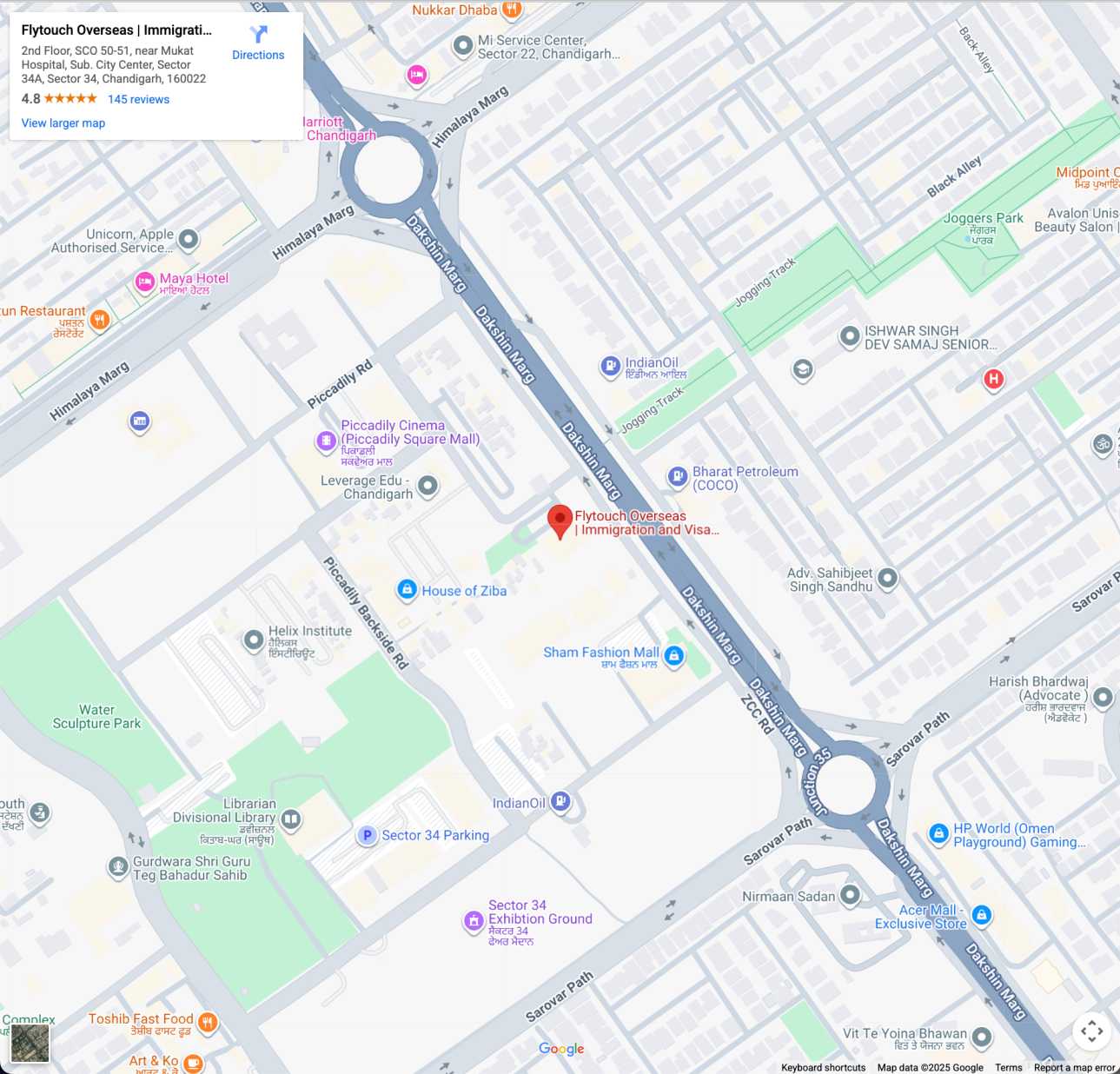
With offices in Chandigarh and Ambala, our team guides students through the complete UK admission and visa process while helping avoid common mistakes that lead to delays or refusals.
Deciding If UK Universities Without IELTS Suit Your Profile
Choosing whether to study in the UK without IELTS should depend on your academic background, timelines, and long-term goals. For some students, taking IELTS may still be the fastest route. For others, leveraging institutional alternatives can accelerate admissions and reduce pressure.
Applicants with English-medium education and consistent academic records often find suitable options at universities such as the University of Portsmouth, the University of Greenwich, London South Bank University, or the University of Bedfordshire, depending on course and intake requirements.
Reflect on your eligibility, verify university-specific policies, and prioritise clarity over shortcuts. With the right preparation, your applications to UK universities without IELTS can move forward confidently and without unnecessary delays.
FAQs (Frequently Asked Questions)
Clear any doubts you might have with the most Frequently Asked Questions:
Yes. Some UK universities may accept students after 12th without IELTS if they meet alternative English language requirements or complete pathway programs.
Many UK universities accept a Medium of Instruction (MOI) certificate from Indian institutions, especially for postgraduate programs.
Yes. If the university officially certifies English proficiency through alternative assessment methods, students can apply for a UK student visa without IELTS.
Universities such as the University of Portsmouth, University of Greenwich, London South Bank University, and University of Bedfordshire may consider IELTS waivers depending on the course.
Yes. Many UK universities accept PTE Academic as an alternative English proficiency test.
About the Author

Deepak Kumar
Author | FlyTouch Overseas Private Limited
Deepak Kumar contributes to study visa and overseas education content at FlyTouch Overseas. He collaborates with experienced visa consultants and counsellors to develop informative guides covering university admissions, visa processes, and country-specific requirements.
With a focus on accuracy and clarity, his work helps students understand complex procedures and choose the right path for studying in countries like the UK, Canada, Australia, and the USA. His content is designed to provide practical insights and support students at every stage of their study abroad journey.