UK Student Visa Application Process & Timeline for Indian Students
Every year, thousands of Indian students receive admission offers from UK universities but still face confusion at the visa stage because the UK student visa process is often mistaken for a simple documentation formality.
In reality, UK immigration authorities evaluate academic progression, financial credibility, document consistency, and genuine study intent together before making a decision. Even small issues such as incorrect CAS details, unstable financial records, or inconsistent information can create delays or additional verification.
For students planning to study in UK from India, understanding how the process actually works before filing the application is essential because the current immigration system is increasingly verification-focused, timeline-sensitive, and compliance-driven.
How the UK Study Visa Process Is Different From Other Countries
The UK immigration framework operates on a sponsorship-based system where universities themselves become regulated sponsors under UKVI rules. Once a university issues a Confirmation of Acceptance for Studies (CAS), it confirms that the student has met academic and admission requirements.
Unlike some countries where visa interviews dominate the process, the UK system evaluates multiple layers simultaneously, including:
- Academic progression
- Financial stability
- Sponsor credibility
- Immigration history
- Document consistency
- Genuine student intent
This is why the UK student visa process depends heavily on whether the overall application supports one clear and consistent academic narrative.
What UKVI Checks Before Approving a UK Student Visa
Most applicants focus only on submitting documents, but UKVI evaluates broader credibility indicators before making a decision.
Academic Background & Course Selection
Immigration officers assess whether the selected course logically connects with the student’s previous education and future goals.
For example:
- A student switching to a completely unrelated field without explanation may face additional scrutiny.
- Repeating a similar qualification level without a progression justification can create credibility concerns.
This is one reason why course selection explanations matter more than many applicants initially assume.
Financial Stability and Fund Authenticity
The financial review process is not limited to showing money in a bank account. UKVI may also evaluate:
- Fund maintenance duration
- Transaction consistency
- Sponsor relationship
- Source of funds
- Large recent deposits
- Banking patterns
Under current UKVI guidance, students studying in London generally need to demonstrate higher maintenance funds compared to students studying outside London because living expenses differ significantly across regions.
One issue commonly seen during the September intake filing is students transferring large amounts shortly before visa submission, which can lead to additional financial scrutiny during review.
Genuine Student Assessment
The UK immigration system increasingly focuses on identifying genuine students rather than simply checking document completeness.
This assessment may involve:
- Academic intent
- Career planning
- University awareness
- English communication ability
- Financial understanding
- Immigration history
At this stage, the UK student visa process becomes more than a paperwork procedure because immigration officers evaluate whether the overall application genuinely supports the student’s educational plans.
Step-by-Step UK Student Visa Process for Indian Students
The UK visa application steps involve multiple interconnected stages, including university verification, CAS issuance, financial preparation, biometrics, and immigration review.
Step 1: Accepting the University Offer
Students typically receive either:
- A conditional offer
- An unconditional offer
Conditional offers require pending academic or English-language requirements to be completed before universities proceed toward CAS issuance.
Step 2: Receiving the CAS Letter
The Confirmation of Acceptance for Studies forms the foundation of the UK student visa application.
The CAS usually contains:
- Sponsor license number
- Course details
- Tuition fee information
- Deposit payment records
- Academic qualification references
- English language assessment basis
Students should carefully verify:
- Passport number
- Name spelling
- Tuition fee details
- Course dates
- Academic information
Even small inconsistencies between the CAS and uploaded documents can slow the UK study visa process.
Step 3: Maintaining Required Funds
Financial preparation remains one of the most misunderstood stages of the process.
Under current immigration guidance, applicants are generally expected to maintain eligible funds for a specified continuous period before filing the visa application. The required amount depends on:
- Tuition fee balance
- University location
- Course duration
One practical issue many Indian students face is assuming that transferring funds into a parent’s account shortly before filing will automatically satisfy maintenance requirements. In reality, sudden high-value deposits without clear financial history or income support may attract additional scrutiny during review, especially during peak intake periods.
Applications with a stable financial history and properly organised records generally move more smoothly through the UK visa approval process.
Realistic UK Student Visa Timeline After CAS, Biometrics & Verification
Most students expect a fixed visa timeline after submission, but the actual UK student visa process rarely moves at the same pace for every applicant. While UKVI publishes standard processing estimates, actual timelines often depend on intake pressure, university verification speed, financial scrutiny, and whether additional checks are triggered after submission.
Students applying during major admission months frequently experience slower movement because universities, visa centres, and immigration teams process high application volumes simultaneously.
| Typical Timeline Breakdown | |
| Stage | Average Timeline |
| University CAS issuance | 1–3 weeks |
| Financial maintenance preparation | Usually 28 days |
| Online application completion | 1–2 days |
| Biometrics scheduling | Depends on city availability |
| Standard visa processing | Approximately 3 weeks |
| Passport return | A few additional days |
Standard vs Priority Visa Processing
Many applicants assume priority processing guarantees faster approval, but priority services mainly reduce queue time rather than verification scrutiny.
| Processing Type | Typical Decision Time |
| Standard Processing | Around 3 weeks |
| Priority Processing | Around 5 working days in many cases |
Applications selected for additional verification may still experience delays even under priority processing.
Understanding UK Visa Tracking and Status Updates
Many applicants panic after receiving unclear status updates.
For example, the message “decision has been made UK visa” only indicates that UKVI has completed the review process. It does not automatically confirm approval or refusal until the passport is collected or official communication is received.
Tracking updates should therefore be interpreted carefully because the UK visa timeline after biometrics can vary depending on document verification requirements and additional immigration checks.
Why Biometrics and Verification Stages Matter More Than Students Think
After online submission, applicants must attend the biometrics appointment UK at the authorised visa application centre.
This stage includes:
- Fingerprint collection
- Photograph verification
- Passport submission
- Supporting document processing
Many students incorrectly assume this stage is purely technical, but application integrity checks often intensify after biometrics submission.
Additional Verification Checks After Biometrics
Even after a biometrics submission, UKVI may:
- Request additional documents
- Conduct sponsor verification
- Review financial consistency
- Initiate credibility assessments
Students should therefore remain reachable throughout the review process. In some cases, students may also experience delays if universities update tuition records, modify CAS details after issuance, or fail to respond quickly to UKVI verification requests. These situations are less common but can unexpectedly affect processing timelines.
Why UKVI Conducts Credibility Interviews for Some Students
Not every applicant receives a credibility interview request, but UKVI still evaluates every application for academic and financial authenticity during the UK student visa process.
Interviews are generally conducted when immigration officers require additional clarity regarding:
- Educational progression
- Course selection
- Financial sponsorship
- Study intentions
- Immigration background
Students with significant education gaps, major course changes, inconsistent sponsor documentation, or previous refusals may experience deeper review during verification stages.
What Immigration Officers Usually Look For During Interviews
During a CAS interview in the UK, immigration officers are usually assessing whether the applicant genuinely understands their academic plans, financial sponsorship, and long-term study intentions. The objective is not to test memorised answers but to evaluate whether the overall application remains consistent with the submitted documents.
Applicants may commonly be asked:
- Why they selected the university
- Why did they choose the course
- How the course supports long-term career goals
- Who is funding their education
- Why did they select the UK over other countries
- How previous academic decisions connect with current plans
Officers also evaluate whether:
- academic progression makes sense
- Financial explanations remain consistent
- Responses align with submitted records
- The student genuinely understands the course structure and university choice
Students who genuinely understand their course modules, tuition structure, and career relevance usually perform better during credibility assessments than applicants relying on memorised interview scripts taken from social media videos.
Common Mistakes That Delay or Complicate UK Student Visa Applications
Many students assume delays happen only because of embassy workload, but in reality, most application disruptions are triggered by documentation inconsistencies, financial issues, or verification-related concerns during the review process.
One of the most common problems during high-volume intakes is students uploading technically available documents rather than properly prepared documents that fully support the application narrative.
Financial Issues That Commonly Trigger Additional Review
UKVI examines financial credibility very carefully during the review process. Applications may face additional scrutiny when students:
- Show large unexplained deposits shortly before filing
- Use unstable or newly opened bank accounts
- Submit incomplete sponsor documentation
- Fail to maintain funds for the required duration
- Upload inconsistent income or sponsorship records
Students with stable financial histories and properly organised records generally experience smoother processing outcomes.
Academic and Document-Related Mistakes
Applicants should carefully organise:
- Degree certificates
- Consolidated mark sheets
- English test reports
- Sponsor relationship documents
- Previous refusal disclosures
- Passport details
Even small inconsistencies such as spelling mismatches, incomplete semester records, incorrect travel history declarations, or CAS information errors can trigger additional verification checks.
Timeline Pressure and Last-Minute Filing Risks
Students applying close to intake deadlines often experience higher stress because even small document corrections can affect travel timelines.
Applications submitted late may face:
- Limited biometrics appointment availability
- Delayed university verification
- Reduced correction time if issues arise
- Travel disruption if UKVI requests additional documents
This becomes especially common during July, August, and September intake periods when universities, VFS centres, and immigration teams process very high application volumes simultaneously.
Situations Where Professional Visa Guidance Helps
The process may appear straightforward online, but many students realise its complexity only after facing additional document requests or timeline pressure.
As a UK Visa consultant in Chandigarh, India, we at Flytouch Overseas assist students with document reviews, CAS verification guidance, financial preparation support, visa filing accuracy, and appointment coordination because even small technical mistakes can disrupt university joining timelines.
Professional review becomes especially valuable for students with:
- Gap years
- Multiple course changes
- Sponsor complications
- Previous refusals
- Financial presentation concerns
- Tight intake deadlines
The goal is not simply application submission but application stability.
Before Submitting Your UK Student Visa Application
A successful outcome usually depends more on preparation quality than luck. Students who understand timelines realistically, organise financial records properly, and approach the UK student visa process strategically often experience fewer disruptions during review.
Before filing, applicants should ensure that their academic history, financial records, course selection, and long-term plans all support one consistent narrative. Immigration systems today are increasingly verification-focused, which means clarity, consistency, and preparation matter more than ever before.
About the Author
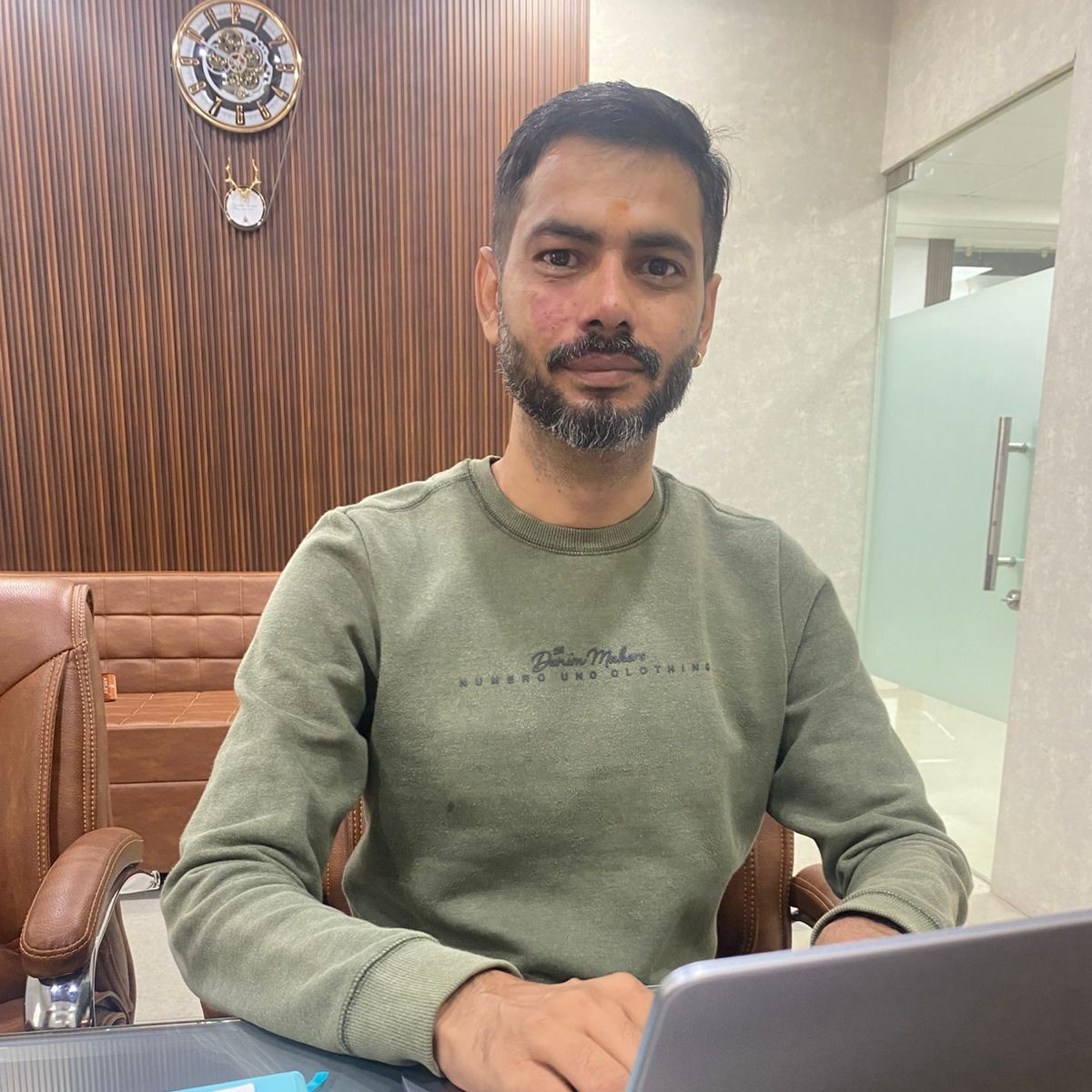
Deepak Kumar
Author | FlyTouch Overseas Private Limited
Deepak Kumar contributes to study visa and overseas education content at FlyTouch Overseas. He collaborates with experienced visa consultants and counsellors to develop informative guides covering university admissions, visa processes, and country-specific requirements.
With a focus on accuracy and clarity, his work helps students understand complex procedures and choose the right path for studying in countries like the UK, Canada, Australia, and the USA. His content is designed to provide practical insights and support students at every stage of their study abroad journey.