China Canton Fair Phases Explained: Choose the Right Phase & Avoid Costly Mistakes
For businesses planning to source products from China, the international Canton Fair in China is often the first gateway to global manufacturing networks. Every year, thousands of Indian entrepreneurs, importers, wholesalers, and startup founders travel to Guangzhou hoping to discover reliable suppliers and profitable product opportunities.
Before planning such international trade visits, many businesses rely on professional China visa services in India to ensure their documentation, timelines, and travel approvals are handled correctly. Yet many first-time visitors arrive without fully understanding how the exhibition is structured.
Without proper planning, buyers can easily spend days walking through irrelevant booths. This is why understanding the Canton Fair phases clearly is essential for anyone preparing for their first visit.
Why Understanding the China Canton Fair Schedule Matters for Buyers
The Canton Fair is not a single trade show but a massive exhibition divided into specialised segments. For buyers, understanding the China Canton Fair phases helps transform a general visit into a targeted sourcing strategy.
Each phase focuses on specific industries, which means buyers can avoid wasting time browsing unrelated categories. Instead, they can concentrate on meeting manufacturers that match their business model.
For importers, this structured approach provides several advantages:
- Faster discovery of relevant suppliers
- Efficient networking with industry-specific manufacturers
- Better negotiation opportunities with targeted vendors
- Reduced travel costs by attending only the relevant phase
Because the exhibition spans multiple weeks, the Canton Fair schedule plays a critical role in travel planning for international visitors.
For businesses planning sourcing trips from India, understanding how these phases work can mean the difference between returning home with supplier contracts or simply a stack of catalogues.
The Crucial Phases of the Canton Fair in China and Their Offerings
For buyers planning their sourcing strategy, understanding the China Canton Fair phases is crucial because each phase focuses on specific industries. This structure allows international visitors to plan their visit more effectively and navigate one of the world’s largest trade exhibitions with greater efficiency.
Phase 1 – Industrial Products and Technology Manufacturing
Phase 1 is often considered the most dynamic segment of the fair. It attracts buyers seeking large-scale manufacturing capabilities and technology-driven products.
Key product categories include:
- consumer electronics
- electrical appliances
- construction materials
- industrial machinery
- automotive parts
Indian businesses involved in hardware distribution, electronics imports, or industrial equipment sourcing usually prioritise this phase.
Among all China trade fair phases, Phase 1 tends to attract the largest number of technology manufacturers and export-focused factories.
Because of the high value of industrial supply contracts negotiated during this phase, many experienced importers consider it the most commercially impactful segment of the exhibition.
Phase 2 – Consumer Goods and Home Products
Phase 2 shifts the focus toward lifestyle products and retail-oriented manufacturing sectors. Businesses involved in retail distribution, gifting products, or home decor often find this phase highly productive.
Typical sectors displayed include:
- kitchenware and cookware
- furniture and home decor
- ceramics and glass products
- gifting items and promotional goods
For entrepreneurs building e-commerce businesses, this phase often reveals product trends that can later succeed on platforms such as Amazon, Flipkart, or independent online stores.
Understanding Canton Fair product phases helps retail buyers identify where new consumer trends emerge and which manufacturers are actively developing export-ready products.
For first-time visitors, Phase 2 also offers an easier environment to explore sourcing opportunities compared with the more industrial focus of Phase 1.
Phase 3 – Textiles, Apparel, and Personal Care Products
The final segment focuses on industries related to fashion, textiles, and consumer wellness. Businesses operating in clothing, garment manufacturing, or medical products usually attend this phase.
Major product groups include:
- garments and clothing
- fabrics and textile materials
- footwear and fashion accessories
- health and medical products
For Indian garment exporters or clothing wholesalers, this phase provides direct access to manufacturers capable of producing private-label collections.
When discussing the China Canton Fair phases, Phase 3 is particularly relevant for businesses looking to enter the apparel sourcing market.
How Different Business Models Should Choose the Right Phase
Choosing the correct phase depends less on curiosity and more on business objectives. When examining the China Canton Fair phases, buyers should align their visit with their industry and sourcing goals.
Here is how different business types typically approach the fair:
Industrial importers
- Focus mainly on Phase 1
- Seek machinery suppliers and component manufacturers
- Often negotiate large-volume contracts
Retail product distributors
- Prefer Phase 2
- Look for household items and gift products
- Explore private-label opportunities
Fashion and apparel businesses
- Attend Phase 3
- Build relationships with garment manufacturers
- Evaluate textile quality and production capabilities
Understanding the China Canton Fair phases 1, 2, and 3 allows businesses to structure their visit around suppliers most relevant to their industry.
For companies planning a first sourcing trip, attending the correct phase significantly increases the likelihood of finding reliable manufacturers.
Strategic Preparation Before Attending the Canton Fair in China
Successful buyers rarely attend the China International Canton Fair without preparation. They typically build a sourcing strategy weeks before their trip.
For businesses learning the Canton Fair phases, preparation usually involves three key steps.
- First, buyers study the schedule of the Canton Fair in China to determine which phase aligns with their industry.
- Second, they review exhibitor lists and shortlist manufacturers worth visiting.
- Third, they prepare product specifications so suppliers clearly understand their requirements.
A practical canton fair planning guide also includes preparing company profiles, business cards, and rough order quantity estimates before meetings with manufacturers.
Buyers who approach the fair with this level of preparation tend to leave with stronger supplier connections and more serious negotiation discussions.
Practical Tips for First-Time Visitors
Understanding the Canton Fair phases is only part of a successful sourcing trip. First-time visitors should also approach the exhibition strategically.
- Plan Meetings Before Arrival: The fair hosts thousands of exhibitors. Pre-arranged meetings help buyers avoid random booth visits and focus on high-potential suppliers.
- Compare Multiple Manufacturers: Experienced importers rarely finalise deals after meeting a single supplier. Comparing factories helps evaluate price competitiveness and production capabilities.
- Document Supplier Conversations: Collect catalogues, business cards, and price sheets. These records help when reviewing supplier options after returning home.
- Follow Up After the Fair: The most important negotiations often happen after the exhibition through email or video meetings.
These steps are commonly highlighted in a comprehensive Canton Fair buyers' guide, particularly for entrepreneurs attending the event for the first time.
Travel and Visa Preparation for Canton Fair Visitors
Visitors travelling for trade exhibitions typically apply for business visas, which require invitation letters and supporting documents. It is important to ensure that all documentation clearly reflects the purpose of travel, especially when attending exhibitions or supplier meetings.
To avoid delays or complications during the application process, many entrepreneurs choose to seek expert guidance when applying for a China business visa.
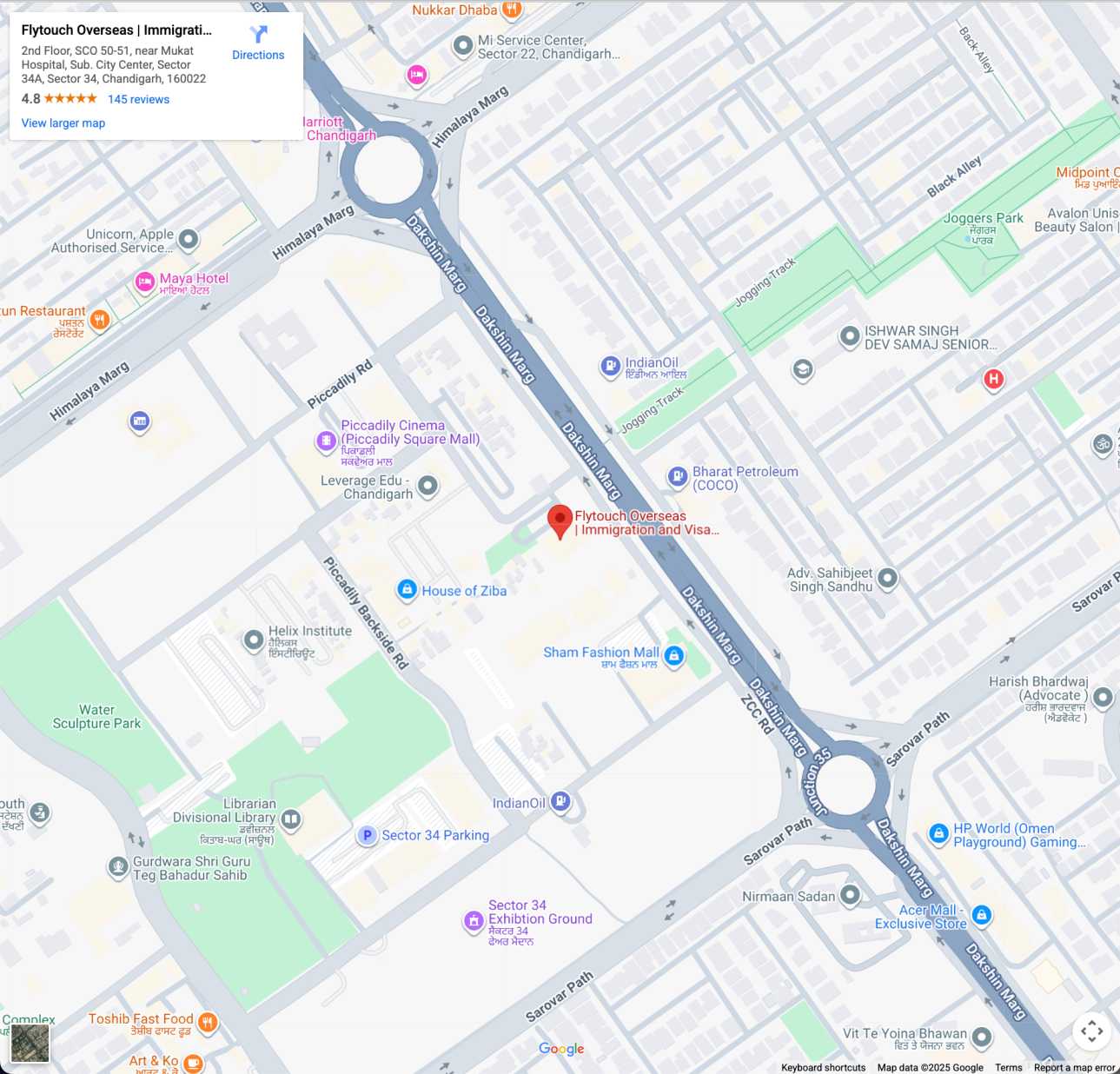
At Flytouch Overseas, we operate as Visa & Immigration consultants for China, assisting business travellers from Chandigarh, Ambala, and across Haryana, Punjab, Delhi, Rajasthan, and Himachal with visa documentation for trade visits like the Canton Fair.
With travel formalities handled properly, buyers can focus entirely on supplier discovery, networking, and business negotiations.
How Businesses Can Maximise Value From Their Canton Fair Visit
For companies serious about international sourcing, understanding the different phases of the China Canton Fair should ultimately lead to smarter decision-making.
Experienced buyers typically approach the exhibition with three strategic goals:
- Discovering reliable manufacturers
- Comparing product innovations across suppliers
- Negotiating favourable pricing for long-term partnerships
Knowing the relevant Canton Fair business phase helps buyers allocate their time efficiently and avoid unnecessary travel expenses.
When approached strategically, the Canton Fair becomes far more than an exhibition—it becomes a platform for building global supply chains and expanding product portfolios.
Turning Your Canton Fair Visit Into a Long-Term Sourcing Strategy
For many businesses, attending the Canton Fair in China marks the beginning of their international sourcing journey. However, the real value lies in how effectively that experience is utilised afterwards.
Clarity around the different phases allows buyers to approach the exhibition with confidence and well-defined objectives. Whether the goal is discovering new products, building relationships with manufacturers, or expanding an import portfolio, selecting the right phase ensures a more focused and productive visit.
Before planning the trip, it is important to evaluate your business priorities. Are you sourcing machinery, exploring consumer goods, or developing a fashion supply chain? Once these objectives are clearly defined, identifying the most relevant phase becomes straightforward.
With the right preparation and direction, the experience can evolve into a strong foundation for building long-term global sourcing partnerships.
About the Author

Deepak Kumar
Author | FlyTouch Overseas Private Limited
Deepak Kumar contributes to study visa and overseas education content at FlyTouch Overseas. He collaborates with experienced visa consultants and counsellors to develop informative guides covering university admissions, visa processes, and country-specific requirements.
With a focus on accuracy and clarity, his work helps students understand complex procedures and choose the right path for studying in countries like the UK, Canada, Australia, and the USA. His content is designed to provide practical insights and support students at every stage of their study abroad journey.