Embassy Attestation in Chandigarh: Step-by-Step Guide for Non-Hague Countries
For applicants in Chandigarh planning to study, work, or settle abroad, document verification often becomes the most underestimated step in the entire process. This gap usually appears when the destination country does not recognise the Hague Convention and requires additional legalisation beyond an apostille.
In such cases, embassy attestation in Chandigarh becomes essential to establish the legal acceptance of Indian-issued certificates. Many applicants realise this requirement only after facing delays from employers, universities, or immigration authorities.
This guide explains how embassy attestation works, when it becomes mandatory, and how to complete each stage correctly—so your overseas plans are not disrupted by avoidable documentation issues, even when navigating apostille and attestation services in Chandigarh.
Step 1: Identify Whether Embassy Attestation Is Required for Your Destination
Before starting any legalisation process, confirm whether your destination country recognises the Hague Convention. This single check determines the correct path for document validation.
- Hague Convention country: Apostille certification is usually sufficient.
- Non-Hague country: Apostille alone is not accepted, and non-Hague country attestation becomes mandatory.
- Official requirement: In such cases, Embassy attestation in Chandigarh is required to establish legal validity for overseas use.
Identifying this correctly at the beginning helps applicants avoid choosing the wrong certification route and repeating the process later.
Step 2: Who Typically Requires Embassy Attestation from Chandigarh
Embassy attestation requirements in Chandigarh are shaped by the city’s high volume of outbound students, professionals, and corporate applicants. The requirement is not limited to a single visa category and often arises at different stages of the application process.
- Students applying for higher education, professional licensing, or regulated programs where academic credentials must be legally verified
- Working professionals relocating under employer-sponsored, skilled migration, or long-term work visas
- Families applying for dependent, spouse, or residence permits that require personal document validation
- Businesses and entrepreneurs submitting records for overseas registration, contracts, or compliance
In all these scenarios, embassy attestation forms a critical part of broader immigration compliance before applications can move forward legally.
Step 3: Know Why Apostille Is Not Enough for Non-Hague Countries
Many applicants assume apostille certification works everywhere. This misunderstanding is one of the most common causes of rejection and delay.
- Apostille validity: Accepted only by countries that recognise the Hague Convention
- Non-Hague destinations: Do not accept apostilled documents for official use
- Legal requirement: Embassy-level endorsement is required as the final authority
- Practical outcome: Embassy attestation in Chandigarh becomes mandatory under the rules of international legalisation
Understanding this difference early helps applicants avoid incorrect submissions, rework, and lost time.
Step 4: Follow the Correct Embassy Attestation Sequence
Embassy attestation follows a legally fixed sequence. Each stage validates the previous one, and skipping or reordering any step can invalidate the entire submission. Understanding the embassy attestation procedure is essential before initiating the process.
A) State-Level Authentication
The issuing authority verifies that the document is genuine and officially recorded within the state.
B) Central Government Verification
After state approval, documents are submitted to the Ministry of External Affairs. This stage, commonly referred to as MEA attestation Chandigarh, confirms the validity of state verification at the national level.
C) Embassy Endorsement
The destination country’s embassy conducts foreign embassy verification and legalises the document for use within its jurisdiction. This completes Embassy attestation in Chandigarh and aligns the document with Embassy legalisation India requirements for non-Hague destinations.
Step 5: Avoid Common Mistakes That Delay Embassy Attestation
Most embassy attestation delays are caused by procedural errors rather than document rejection. These mistakes often surface only after submission, when corrections are no longer permitted.
- Laminated or altered certificates
- Mismatched names or dates across documents
- Missing state authentication
- Use of outdated embassy formats or incorrect authorisation letters
These issues commonly occur when applicants proceed without understanding how Embassy attestation services in Chandigarh manage sequencing, verification standards, and embassy-specific expectations.
Step 6: Plan for Processing Time and Validity Limits
Embassy attestation is both time-bound and purpose-sensitive. Planning without accounting for embassy timelines or document validity often leads to missed visa slots or delayed admissions.
- Processing typically takes two to five weeks, depending on embassy workload
- Some embassies impose strict validity windows after attestation
- Delays can affect visa appointments, joining dates, or university deadlines
This planning stage directly supports certificate attestation abroad, particularly for applicants managing tight timelines.
Step 7: Matching Your Documents With Destination-Country Expectations
Although non-Hague countries follow similar legalisation principles, embassy-specific procedures vary significantly. This is where many applicants struggle—especially when documentation purposes, translations, or sequencing rules differ by destination.
- Some embassies require notarised translations
- Others mandate prior appointments or authorised intermediaries
- Documentation depth varies based on purpose—education, employment, or residence
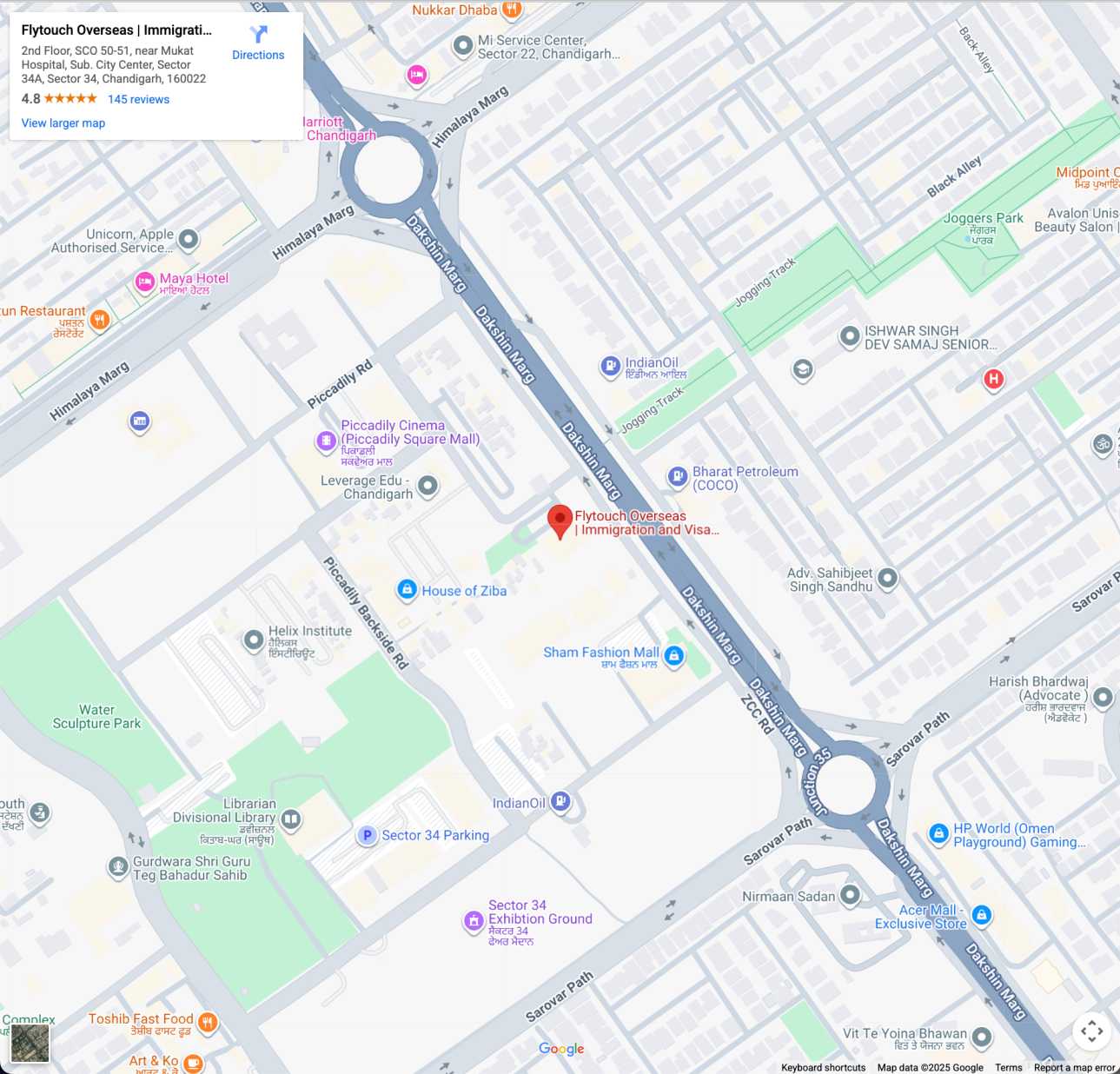
In Chandigarh, applicants navigating these variations often seek clarity from professionals familiar with embassy norms and the broader visa documentation process. As trusted visa and immigration experts in Chandigarh, Flytouch Overseas assists applicants by contextualising embassy attestation within overall compliance requirements, helping reduce procedural objections and misalignment.
Step 8: Know When Embassy Attestation Becomes Non-Negotiable
Embassy attestation is mandatory for several overseas objectives:
- Employer-sponsored work visas and labour approvals
- Family or dependent residence permits
- Admissions to regulated educational institutions
- Overseas business registration and compliance
In employment-related cases, properly attested overseas employment documents are crucial for meeting employer verification standards. Across all scenarios, Embassy attestation in Chandigarh becomes the legal gateway for acceptance under international legalisation norms.
Step 9: Prepare Documents Before Submission
Preparation determines approval outcomes more than speed. Once documents enter the embassy attestation cycle, corrections are rarely permitted. A clear document submission checklist helps applicants avoid preventable errors.
- Certificates must be original, clear, and unaltered
- Identity details must match passport records exactly
- The verification order must be followed strictly
- Supporting documents must meet embassy formats
- The purpose of use must be clearly established
This preparation directly supports smooth certificate attestation abroad and minimises embassy objections.
Making an Informed Decision Before You Begin
Embassy attestation is a legal safeguard for destinations that do not recognise the Hague Convention. Understanding when the requirement applies, how the process flows, and how embassy attestation fits within broader immigration compliance allows for better decision-making.
Before proceeding, assess your destination country, document purpose, and timelines carefully. Starting with clarity ensures your overseas plans move forward with confidence, compliance, and minimal disruption.
About the Author

Deepak Kumar
Author | FlyTouch Overseas Private Limited
Deepak Kumar contributes to study visa and overseas education content at FlyTouch Overseas. He collaborates with experienced visa consultants and counsellors to develop informative guides covering university admissions, visa processes, and country-specific requirements.
With a focus on accuracy and clarity, his work helps students understand complex procedures and choose the right path for studying in countries like the UK, Canada, Australia, and the USA. His content is designed to provide practical insights and support students at every stage of their study abroad journey.