MEA Attestation in Chandigarh: How the Process, Fees & Timelines Actually Work
Every year, thousands of people in and around Chandigarh discover that their plans to study, work, or settle abroad pause unexpectedly because a document is missing one critical stamp. Educational certificates, marriage records, or birth documents are often accepted locally but rejected internationally unless they pass a formal government validation process.
This is where MEA attestation in Chandigarh, along with apostille and attestation services in Chandigarh, becomes essential. Understanding how this verification works, what it costs, and how long it realistically takes can prevent unnecessary delays, financial losses, and last-minute stress when dealing with foreign authorities that require legally validated Indian documents.
Why MEA Attestation Is Required for International Use
Indian-issued documents do not automatically hold legal value outside the country. Foreign governments, universities, and employers require proof that a document is genuine and officially issued. MEA attestation in Chandigarh serves as the final central-government authentication that confirms a document’s legitimacy before it is used abroad.
This process verifies the authenticity of signatures and seals on documents issued by Indian authorities. Without this validation, documents may be considered unofficial or unverifiable, even if they are otherwise accurate.
Common scenarios where attestation is required include:
- Applying for employment visas
- University admissions abroad
- Dependent or spouse visas
- Immigration or residency applications
Document attestation in Chandigarh is not treated as optional paperwork, but as a formal requirement for Indian certificates to be accepted by foreign authorities.
The MEA Attestation Workflow: From State Verification to Final Approval
Although many people expect a single-step procedure, MEA attestation in Chandigarh follows a structured verification process. Each stage ensures accountability at different administrative levels.
1. State-Level Authentication
The process begins with state verification, where the issuing authority’s jurisdiction checks documents. Educational certificates typically go through the education department, while personal documents are verified by the relevant state home department.
2. Ministry-Level Validation
After state approval, documents move to the central authority. This step is often referred to as MEA verification in India, where the Ministry confirms that state authentication is valid and properly issued.
3. Embassy or Apostille Endorsement
Depending on the destination country, documents either receive embassy attestation or an apostille stamp. This step determines international usability and depends on whether the destination country is part of the Hague Convention.
MEA Attestation vs Apostille: How to Choose the Right Option
Most errors occur at the decision stage, not during processing. The correct route depends on how the destination country recognises Indian documents, not on the certificate type or visa category.
Situations Where an Apostille Is Accepted
An apostille is sufficient when the destination country recognises Hague Convention authentication and does not require embassy verification.
Typically applicable when:
- The country is a Hague-Convention member
- Documents are for education, employment, or civil registration
- Visa or institution guidelines do not mention embassy attestation
- MEA-issued apostille is treated as final validation
This is why apostille for UK, Canada, USA documentation is widely used without additional attestation steps.
Cases That Still Require Full Attestation
Full attestation applies when an apostille is not legally recognised, or embassy confirmation is mandatory.
Required when:
- The country is outside the Hague Convention
- The embassy mandates document authentication
- Documents support long-term residence or dependent visas
- An apostille is absent from the official submission requirements
In these cases, documents must proceed beyond MEA approval to embassy-level verification. Choosing the wrong route between apostille vs attestation usually means restarting the process.
How Long MEA Attestation Actually Takes — and Why Delays Happen
Timelines for MEA attestation are governed by verification layers, not speed promises. Each document moves through fixed government checkpoints, and skipping or misordering even one stage can reset the entire process.
Typical timelines break down as follows:
- State-level verification: 7–15 working days, depending on the issuing authority
- MEA approval: 2–5 working days once state authentication is cleared
- Embassy or apostille stage: 3–10 working days based on destination-country requirements
What applicants often underestimate is the impact of planning. Delays usually stem from incorrect sequencing, document format issues, or attestation being initiated too close to visa submission deadlines.
At Flytouch Overseas in Chandigarh, where we handle visa documentation and MEA-linked attestation cases for study, work, and family migration, this pattern appears repeatedly: timelines stabilize only when attestation is planned early as part of the overall visa documentation India process rather than treated as a last-minute formality.
Types of Documents That Require MEA Attestation in Chandigarh
Not all documents follow the same verification path, but most MEA attestation requests fall into a few clearly defined categories. The requirement is determined by how the document will be used abroad rather than where it was issued.
Documents commonly submitted for attestation include:
- Educational documents such as degrees, diplomas, and mark sheets for overseas study or employment
- Personal documents, including birth certificates, marriage certificates, and affidavits for family or dependent visas
- Commercial documents likea power of attorney, company resolutions, or authorisation letters for international business use
In practice, most certificate attestation in Chandigarh relates to education and family records tied to long-term visas, admissions, or residency applications. Identifying the document category early helps determine the correct verification sequence and avoids unnecessary rework later in the process.
Understanding the Costs Involved for MEA Attestation in Chandigarh
Costs depend on document type and required endorsements. Government fees are standardised, but service charges vary depending on handling complexity.
Typical cost factors include:
- Number of documents
- Urgency of processing
- Embassy requirements
- Courier and handling services
Applicants seeking apostille and attestation services in Chandigarh should always clarify whether fees include all stages or only partial processing to avoid surprise expenses later.
Note: Fee variation often comes down to the route chosen—applicants opting for apostille services in Chandigarh usually face a different cost structure than those requiring full embassy-level attestation.
Mistakes That Commonly Delay or Cause Rejections
Even genuine documents can face rejection if procedural guidelines are not followed precisely.
- Submitting laminated certificates
- Using photocopies instead of originals
- Incorrect name spellings across documents
- Applying for an apostille for foreign countries that do not accept it
Each of these errors can reset the process timeline, making accuracy as important as authenticity.
How International Authorities Use Attested Documents
Once approved, attested documents are formally recognized by foreign authorities as legally valid Indian records. They are not treated as supporting paperwork but as verified inputs for official decision-making across immigration, education, and employment systems.
International authorities typically rely on attested documents to:
- Confirm personal identity and civil status (birth, marriage, dependency)
- Verify educational qualifications for admissions or professional licensing
- Assess family relationships for dependent or spouse visas
- Establish legal standing in employment, residency, or settlement cases
- Prevent fraud by tracing documents back to government-issued verification
Because the authentication trail is already completed in India, these documents pass through foreign systems with minimal scrutiny. This structured recognition is what enables overseas document validation and supports international document acceptance by universities, employers, and government departments without repeated verification or additional questioning.
Legal Significance of MEA-Attested Documents
MEA attestation in Chandigarh is a formal legal authentication issued by the Government of India, not a procedural formality. It confirms that a document has passed official verification channels and can be relied upon internationally.
This endorsement establishes that:
- The document is genuine and government-verified
- Issuing authority details are legally traceable
- The document meets international compliance standards
Without this authentication, documents may be rejected outright abroad, even if they are valid and officially issued within India.
Key Checks to Complete Before Starting MEA Attestation
Before initiating MEA attestation in Chandigarh, applicants should reflect on three key questions:
- Which country will the document be used in?
- Is an apostille or embassy attestation required?
- Are all documents consistent and up to date?
Clear answers reduce errors, costs, and delays while ensuring compliance with international standards such as the MEA apostille process in India and Ministry of External Affairs verification protocols.
Getting MEA Attestation Right the First Time
MEA attestation should never be the point where international plans slow down. When applicants understand what authentication is required, choose the correct route early, and align timelines with visa submissions, the process stays controlled and predictable.
The real advantage is not speed, but certainty. With the right preparation, documents are accepted without rework, applications move forward smoothly, and attention stays where it belongs—on the next step of the journey, not on fixing paperwork.
About the Author
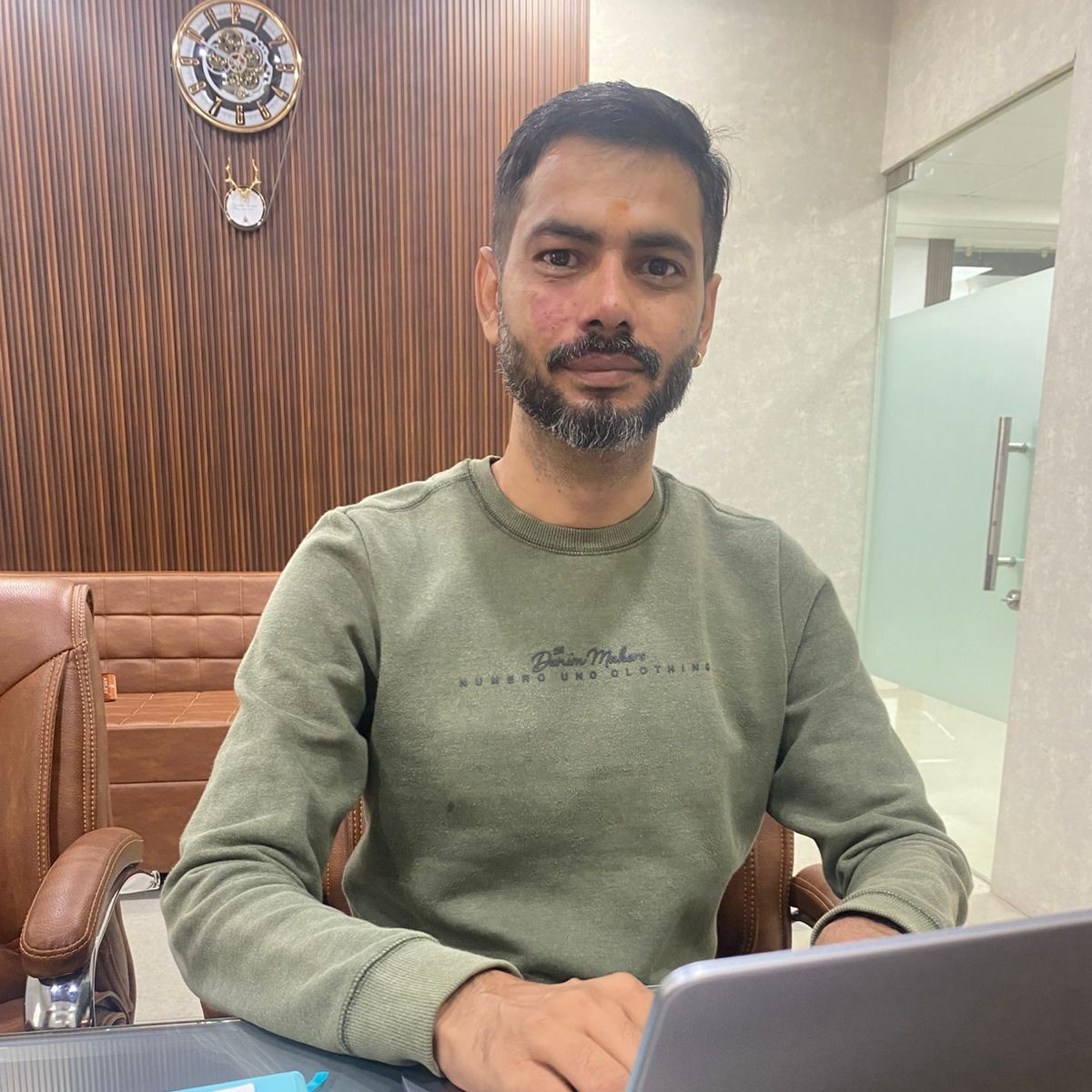
Deepak Kumar
Author | FlyTouch Overseas Private Limited
Deepak Kumar contributes to study visa and overseas education content at FlyTouch Overseas. He collaborates with experienced visa consultants and counsellors to develop informative guides covering university admissions, visa processes, and country-specific requirements.
With a focus on accuracy and clarity, his work helps students understand complex procedures and choose the right path for studying in countries like the UK, Canada, Australia, and the USA. His content is designed to provide practical insights and support students at every stage of their study abroad journey.